








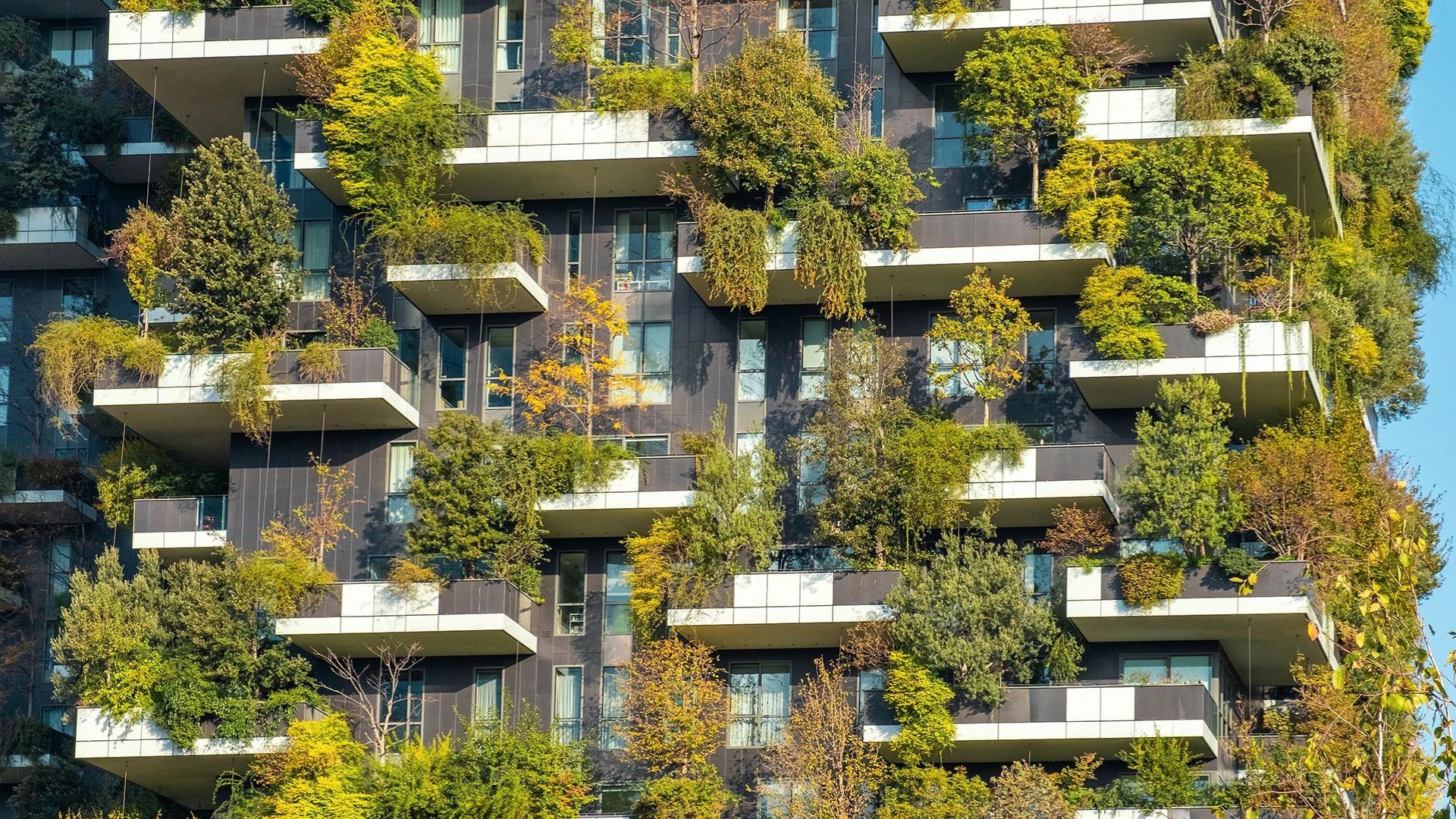
As the world grapples with climate change, resource scarcity, and urban expansion, green architecture has emerged as a vital response. Also known as sustainable architecture, it focuses on minimizing the environmental impact of buildings through efficient design, renewable energy use, and eco-friendly materials. The goal? To create buildings that are not only functional and beautiful but also responsible stewards of the planet.
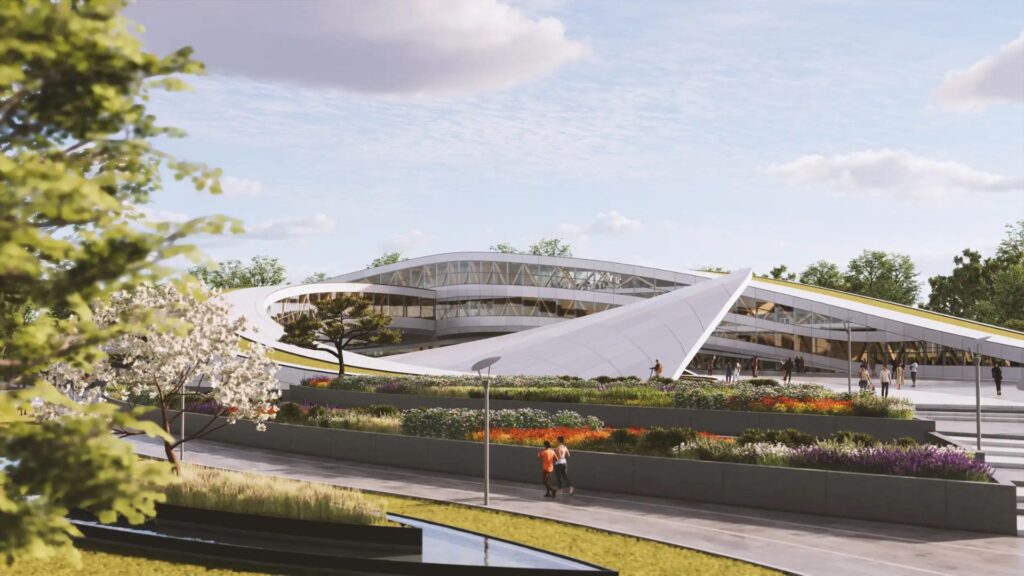
What is Green Architecture?
Green architecture is the practice of designing buildings with consideration for environmental sustainability. This includes:
-
Reducing carbon emissions
-
Enhancing energy and water efficiency
-
Using sustainable, non-toxic materials
-
Improving indoor environmental quality
Green buildings aim to minimize the negative impact on the environment throughout their life cycle—from construction to operation to demolition.
Key Principles of Sustainable Design
Green architecture is guided by several core principles that work together to create eco-friendly structures:
a. Energy Efficiency
Designing buildings that require less energy to operate is fundamental. This includes:
-
Passive solar design for heating and cooling
-
High-efficiency insulation and windows
-
LED lighting and motion sensors
-
Smart HVAC systems
b. Water Conservation
Sustainable buildings incorporate systems that reduce water use and waste:
-
Low-flow faucets and toilets
-
Rainwater harvesting
-
Greywater recycling systems
c. Sustainable Materials
Using renewable, recycled, or locally sourced materials minimizes environmental degradation. Examples include:
-
Bamboo flooring
-
Recycled steel
-
Low-VOC paints and adhesives
d. Indoor Environmental Quality
Healthy indoor spaces are a priority in green design. This involves:
-
Improved air filtration
-
Natural daylighting
-
Non-toxic materials
Renewable Energy Integration
Green architecture often incorporates renewable energy sources to reduce reliance on fossil fuels. Solar panels, wind turbines, and geothermal systems are commonly used to generate clean power on-site.
For example:
-
Photovoltaic systems on rooftops can offset electricity needs
-
Solar water heaters reduce energy for hot water
-
Geothermal pumps use the earth’s temperature for heating/cooling
These systems not only reduce emissions but also lower long-term utility costs for building owners.
Smart Design and Urban Integration
Green buildings are not designed in isolation—they consider their broader urban context. Architects aim to integrate buildings with public transport, bike paths, and green spaces.
Key elements include:
-
Urban gardens and green roofs
-
High-density housing to reduce land use
-
Mixed-use developments to cut down on car travel
This approach supports healthier, more walkable communities and reduces the urban heat island effect.
Certifications and Standards
Several international standards help measure and guide green building practices:
-
LEED (Leadership in Energy and Environmental Design)
-
BREEAM (Building Research Establishment Environmental Assessment Method)
-
WELL Building Standard
-
Green Star (Australia)
These certifications provide frameworks for sustainable design and help ensure buildings meet performance benchmarks.
Benefits of Green Architecture
Adopting sustainable design offers numerous benefits beyond environmental impact:
-
Reduced energy and water bills
-
Improved occupant health and productivity
-
Higher property values and marketability
-
Eligibility for tax incentives and grants
For businesses, green buildings also demonstrate a strong commitment to corporate social responsibility.
The Future of Sustainable Design
As climate challenges intensify, green architecture is no longer optional—it’s essential. The future will likely see greater integration of:
-
AI and smart sensors for energy management
-
Biophilic design, connecting occupants with nature
-
Modular and prefabricated green buildings
-
Carbon-neutral and regenerative design practices
Technology and innovation will continue to drive sustainable solutions that are not only effective but also scalable.
Conclusion
Green architecture represents a bold, forward-thinking approach to design that aligns human development with ecological balance. By prioritizing sustainability, architects can create spaces that promote health, save resources, and protect the environment for future generations. As awareness and demand grow, sustainable design is set to become the cornerstone of 21st-century architecture.


