










Modern architecture is changing. Today, buildings are not only about strength and beauty but also about responsibility. With climate change and rapid urban growth, sustainable design has become essential. It is shaping the way architects create spaces that are both functional and eco-friendly.
Reducing Environmental Impact
One of the key goals of sustainable design is to lower the impact of buildings on the environment. Architects now use renewable materials such as bamboo, recycled wood, and reclaimed steel. These choices reduce waste and limit the need for new resources.
In addition, eco-friendly construction methods cut down on emissions. For example, using local materials reduces transport costs and pollution. This shift shows how architecture can play a big role in protecting the planet.
Energy Efficiency in Buildings
Energy efficiency is at the heart of modern sustainable architecture. Many buildings now include solar panels, wind turbines, or advanced insulation systems. These features lower energy use and reduce reliance on fossil fuels.
Smart technology also supports this effort. Automated systems can control heating, cooling, and lighting based on occupancy. As a result, energy costs drop, and comfort levels rise. This combination of design and technology makes buildings more efficient and sustainable.
Green Spaces in Urban Areas
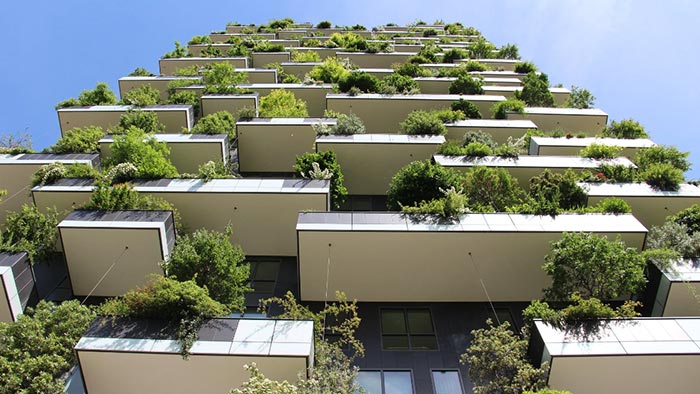
Cities often struggle with limited space and poor air quality. Sustainable design brings nature back into urban areas. Green roofs, vertical gardens, and indoor plants are becoming popular in modern projects. They help filter air, lower temperatures, and improve mental well-being.
Parks and open courtyards also create community spaces. They make cities more livable by offering places for relaxation and social interaction. These designs prove that sustainability is not just about saving energy. It is also about improving human life.
Water Conservation Solutions
Water is another area where sustainable design makes a difference. Modern buildings now use systems that collect and recycle rainwater. Low-flow fixtures and smart irrigation reduce water waste.
In some projects, architects design landscapes with native plants that need little water. These small steps save resources while keeping spaces green and vibrant.
Long-Term Value and Resilience
Sustainable architecture also focuses on durability. Using strong, long-lasting materials reduces the need for repairs and replacements. This approach lowers costs over time and supports environmental goals.
Resilient design is another important aspect. Buildings designed to handle extreme weather, rising temperatures, or flooding are safer for the future. By planning ahead, architects create spaces that protect both people and nature.
Human-Centered Design
Finally, sustainable architecture puts people at the center. Natural light, fresh air, and open spaces improve health and happiness. Inclusive designs also ensure accessibility for everyone, regardless of age or ability.
When people feel connected to their surroundings, communities grow stronger. Sustainable design creates spaces that are not only eco-friendly but also socially supportive.
Conclusion
Sustainable design is no longer optional—it is the future of modern architecture. By focusing on energy efficiency, eco-friendly materials, green spaces, and human well-being, architects are reshaping cities around the world. These choices prove that sustainable architecture is not just about buildings. It is about creating a better balance between people, technology, and nature.


