









In a highly competitive architectural market, the ability to clearly communicate design intent can make the difference between winning or losing a project. 3D visualization tools have become essential in this process, enabling architects to present ideas with clarity, precision, and emotional impact. These tools do more than produce beautiful images—they are strategic assets used to secure client confidence and approval.
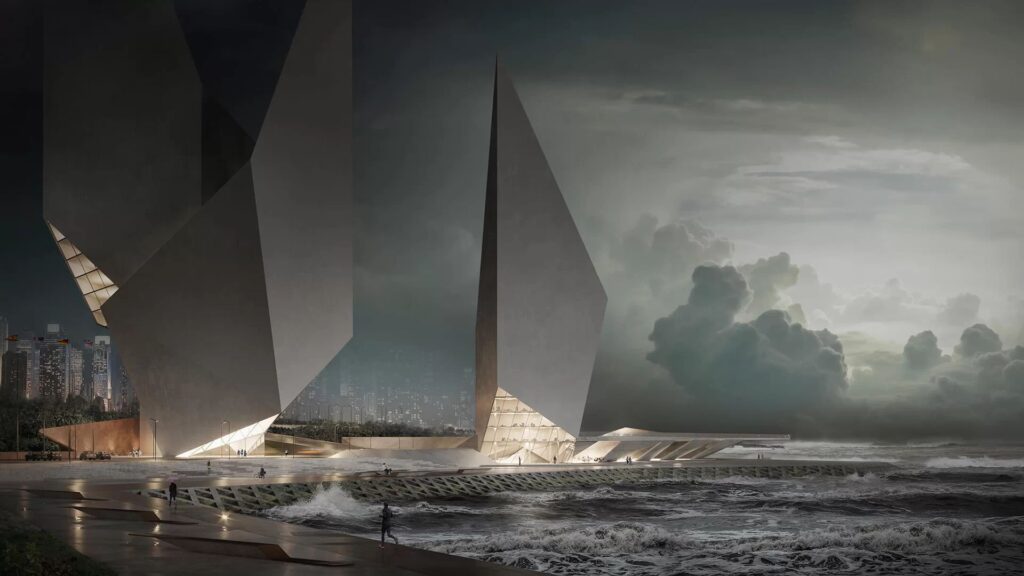
Transforming Concepts into Immersive Experiences
Traditional 2D drawings, while technical, often fail to convey the spatial and experiential aspects of a design. Clients may struggle to interpret flat floor plans or elevations.
With 3D visualization tools, architects can:
-
Create photorealistic renderings
-
Produce interactive walkthroughs
-
Showcase real-time lighting and material effects
These immersive experiences allow clients to see and feel the space before it’s built, bridging the gap between concept and reality. This emotional engagement is often a decisive factor in project selection.
Communicating Value with Clarity
Clients often make decisions based on perceived value. A highly detailed 3D model can:
-
Highlight smart space usage
-
Illustrate how the design complements the environment
-
Showcase innovative features or material choices
This level of clarity helps clients understand the design rationale and feel confident in the investment. It reduces ambiguity and aligns expectations early in the process.
Real-Time Design Iteration
Modern 3D tools like Enscape, Twinmotion, and Lumion integrate with BIM platforms to allow for real-time design updates. Architects can adjust materials, layouts, and lighting during client meetings, responding instantly to feedback.
This dynamic interaction:
-
Builds trust and transparency
-
Shortens decision cycles
-
Increases client satisfaction
It shows responsiveness and flexibility—qualities that clients value in a design partner.
Competitive Advantage in Presentations
Firms competing for the same project must differentiate themselves. High-quality visualizations offer a distinct edge:
-
Rendered visuals make proposals stand out
-
Interactive models demonstrate a higher level of design development
-
VR and AR experiences elevate the presentation to a cutting-edge level
These tools often sway decision-makers who might not have a technical background but are deeply influenced by visual storytelling.
Marketing and Portfolio Enhancement
Beyond client meetings, 3D visualizations are powerful marketing tools. They enhance:
-
Online portfolios
-
Social media content
-
Proposal documents and brochures
An impressive body of rendered work signals credibility, creativity, and technical skill—traits that attract future clients and referrals.
Supporting Stakeholder Buy-In
Winning a project often requires approval from multiple stakeholders—investors, developers, government bodies, or community members. Visual tools help:
-
Present complex projects in understandable formats
-
Address concerns with data-backed simulations
-
Align diverse interests through shared visuals
This comprehensive communication approach boosts consensus and accelerates project approval.
Time and Cost Efficiency
3D visualization reduces the need for physical models, multiple drafts, and clarification meetings. By streamlining communication and eliminating misunderstandings, architects save time and resources, which reflects positively on their professionalism and project management capabilities.
Anticipating and Solving Design Challenges
High-detail models help detect and address spatial or functional issues early in the planning stage. This proactive problem-solving builds client confidence and positions the architect as a strategic thinker—not just a designer.
Conclusion
3D visualization tools are no longer optional—they are integral to winning architectural projects. By enhancing communication, enabling real-time iteration, and delivering immersive experiences, these tools empower architects to convey their vision with impact and precision. In a field where presentation is as critical as innovation, mastering 3D visualization is a clear path to success.


