










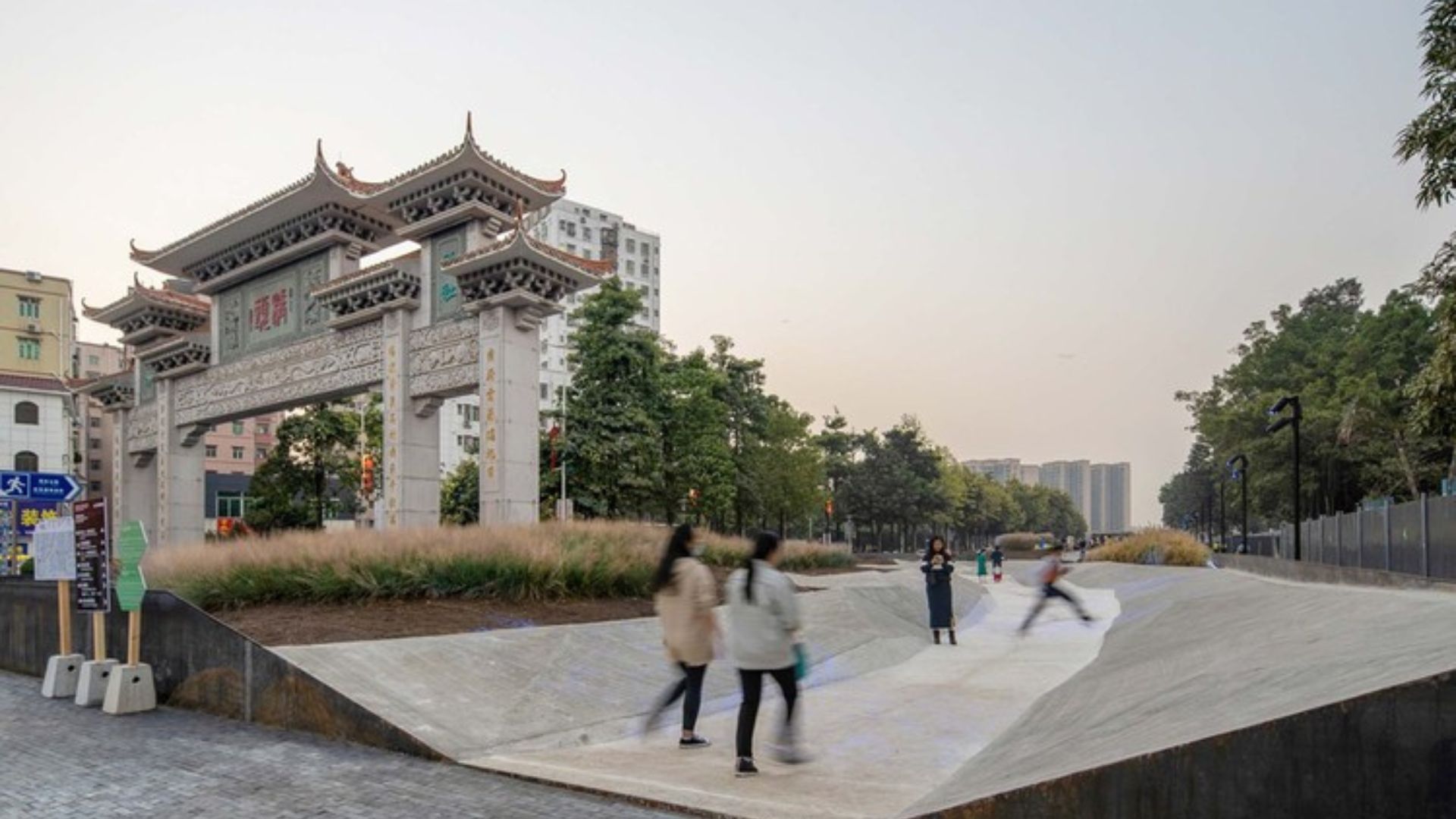
Not all great architecture comes from towering skyscrapers or iconic museums. Sometimes, the most impactful design happens in everyday places—parks, plazas, and public squares—where people gather, interact, and build community. Today, we’ll explore how architectural interventions have revitalized neglected public spaces, turning them into dynamic, inclusive, and highly functional areas that improve urban life.
Here are five transformative architectural projects that showcase how design can reshape the way people connect with their cities and each other.
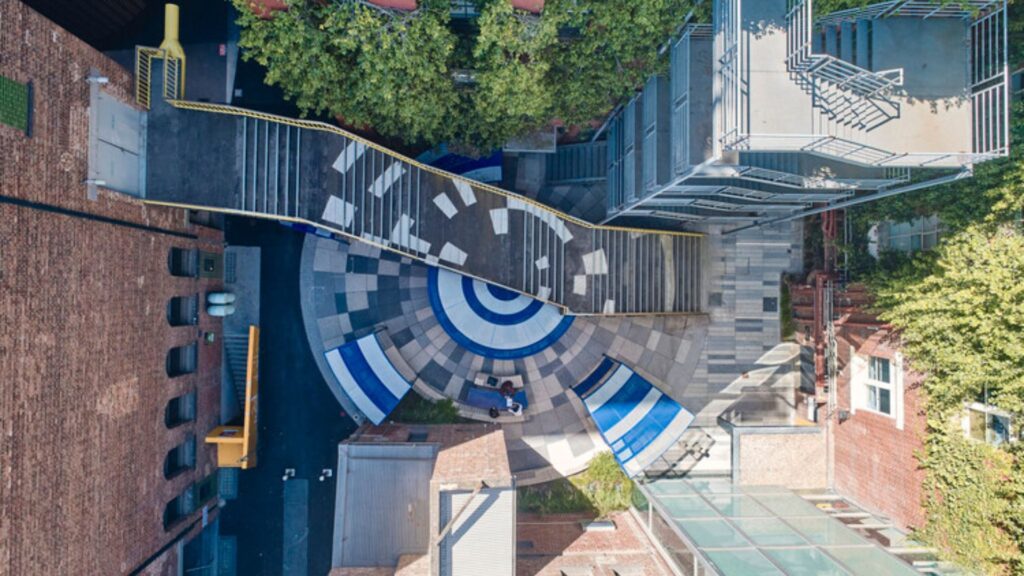
The High Line – New York City, USA
Before:
An abandoned elevated freight railway sat rusting above Manhattan’s West Side. Originally built in the 1930s, the rail line had become a forgotten piece of infrastructure, overgrown and unused since the 1980s.
Architectural Solution:
Designers James Corner Field Operations with Diller Scofidio + Renfro reimagined the space as an elevated linear park. The concept preserved the industrial character of the railway while introducing native plantings, seating areas, public art, and pathways for walking.
After:
-
Over 8 million visitors annually
-
Revitalized the Chelsea neighborhood
-
Increased nearby property values by billions
The High Line didn’t just create a park—it sparked a global movement for adaptive reuse and linear green space in urban areas.
Superkilen Park – Copenhagen, Denmark
Before:
The Nørrebro district was socially diverse but spatially disconnected, lacking a unified space where residents could interact. Existing parks failed to reflect the neighborhood’s multicultural identity.
Architectural Solution:
The project was led by BIG (Bjarke Ingels Group), Topotek1, and Superflex. Their concept, Superkilen, was a one-kilometer public park showcasing artifacts, furniture, and design elements from over 60 countries—each representing the heritage of local residents.
After:
-
A space that fosters multicultural inclusion
-
International recognition as a model for participatory design
-
Daily use by residents of all ages and backgrounds
Superkilen turned a neglected space into a celebration of diversity, where architecture became a canvas for cultural storytelling.
Benthemplein Water Square – Rotterdam, Netherlands
Before:
Rotterdam faced severe urban flooding due to climate change and aging infrastructure. Local schools and public spaces were often affected by stormwater runoff and drainage issues.
Architectural Solution:
De Urbanisten, a Dutch architecture and planning firm, created Benthemplein Water Square—a hybrid space designed to collect, store, and temporarily hold rainwater during heavy storms. When dry, the basins function as recreational areas for sports, skating, and socializing.
After:
-
Enhanced flood resilience
-
Increased youth engagement and public awareness
-
A multifunctional model for climate-adaptive design
This project proved that infrastructure can be beautiful and functional, without sacrificing community use.
Zócalo Revitalization – Mexico City, Mexico
Before:
Mexico City’s Zócalo, one of the world’s largest public squares, was cluttered with cars and lacked pedestrian-friendly design. Despite its historical significance, it was not fully accessible or enjoyable.
Architectural Solution:
Gabellini Sheppard Associates led the redesign, focusing on pedestrianization, improved paving, lighting, and flexible zones for events. Car traffic was significantly reduced, and the space was restored to its civic and cultural role.
After:
-
Reclaimed over 25,000 square meters for pedestrian use
-
Increased public participation in cultural events
-
Strengthened the identity of the historic city center
The project reestablished Zócalo as a democratic space where citizens gather, protest, celebrate, and engage.
Yards Park – Washington, D.C., USA
Before:
The Navy Yard district was once a decaying industrial zone disconnected from Washington’s urban core. The waterfront was inaccessible and underutilized.
Architectural Solution:
M. Paul Friedberg and Partners developed Yards Park as part of a public-private revitalization effort. The design incorporated open lawns, interactive fountains, walkways, and a modern pedestrian bridge—all carefully integrated with new mixed-use developments.
After:
-
Became a major destination for residents and visitors
-
Spurred residential and commercial development in the district
-
Reconnected the city to its waterfront
Yards Park illustrates how landscape architecture can lead economic revitalization, creating long-term value for communities and investors alike.
Conclusion
Each of these case studies reveals how thoughtful architecture can transform not just space—but behavior, community, and identity. Whether it’s reclaiming infrastructure, promoting cultural inclusion, or preparing for climate resilience, these public space projects offer valuable lessons:
-
Functionality and beauty can coexist
-
Community input strengthens design outcomes
-
Public spaces must adapt to changing urban needs
Architectural solutions are not just about buildings—they’re about making life better in the spaces between them.


