










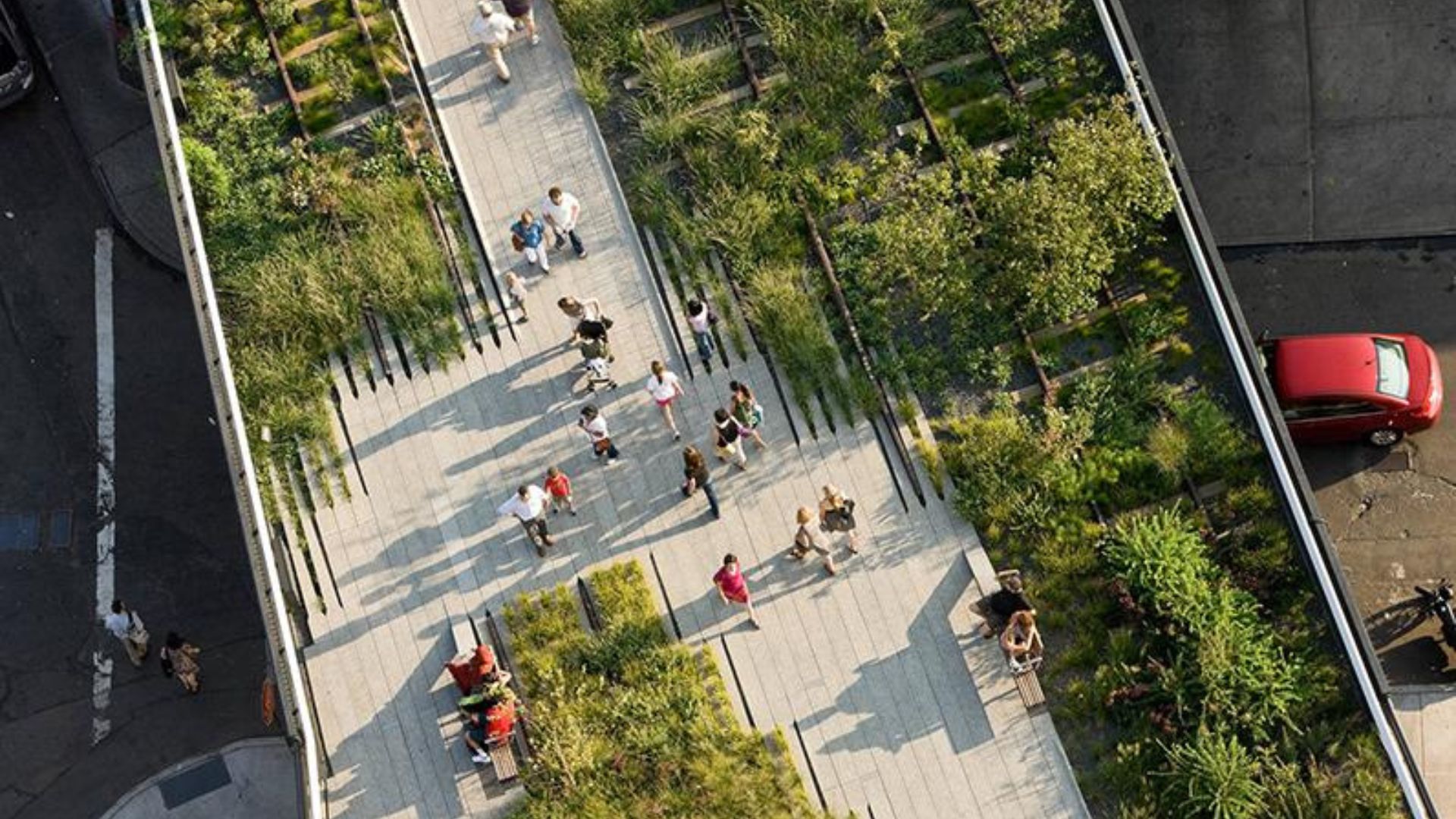
In the evolving landscape of architecture and urban development, adaptive reuse stands out as a powerful approach to sustainability and innovation. Adaptive reuse breathes new life into old buildings by transforming them for modern purposes. Rather than demolishing structures, developers preserve historical value while meeting today’s needs. This method reduces waste, saves resources, and keeps cultural heritage alive. By adopting adaptive reuse, cities and communities benefit from sustainable growth and revitalized environments.
Preserving History While Embracing Modern Needs
One of the core advantages of adaptive reuse is preserving the unique character of older buildings. Historical facades, architectural details, and craftsmanship tell stories that new constructions cannot replicate. Adaptive reuse respects these elements while upgrading interiors for current functions such as offices, housing, or retail spaces. This blend of old and new creates authentic environments that resonate with communities. It also attracts visitors and fosters pride in local heritage.
Environmental Benefits of Adaptive Reuse
Adaptive reuse significantly reduces the environmental footprint of construction projects. Demolition and new construction produce enormous waste and consume large amounts of raw materials. Instead, reusing existing structures conserves embodied energy—the energy already spent in building materials and construction. Additionally, many adaptive reuse projects incorporate energy-efficient systems and sustainable materials, further lowering environmental impact. This approach supports global efforts to combat climate change through responsible development.
Economic Advantages for Communities and Developers
Beyond sustainability, adaptive reuse offers substantial economic benefits. Revitalizing old buildings often costs less than new construction due to reduced material and labor expenses. Moreover, it stimulates local economies by creating jobs in renovation, design, and construction sectors. Adaptive reuse projects can increase property values and attract new businesses or residents to formerly underused areas. This economic boost revitalizes neighborhoods and promotes long-term urban growth.
Challenges and Creative Solutions in Adaptive Reuse
Adaptive reuse comes with unique challenges that require creative problem-solving. Older buildings may have outdated infrastructure, structural weaknesses, or hazardous materials like asbestos. Developers must carefully assess these factors and integrate modern safety and accessibility standards. Creative design solutions include reinforcing structures, retrofitting for energy efficiency, and preserving historical features without compromising functionality. Overcoming these obstacles ensures the building’s longevity and usability.
Case Studies of Successful Adaptive Reuse
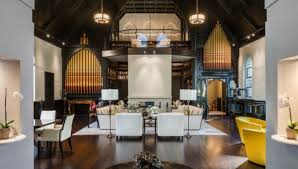
Numerous projects worldwide showcase the transformative power of adaptive reuse. For example, abandoned factories have become trendy loft apartments or coworking spaces. Historic churches have been repurposed into community centers or event venues. These projects retain architectural charm while serving contemporary needs. They demonstrate how adaptive reuse fosters innovation, community engagement, and environmental stewardship, setting inspiring examples for future developments.
Adaptive Reuse as a Catalyst for Urban Regeneration
Adaptive reuse often serves as a catalyst for broader urban regeneration. When a single historic building is revived, it can spark interest and investment in the surrounding area. This ripple effect leads to improved infrastructure, increased safety, and enhanced public spaces. As more buildings are reused, entire neighborhoods experience revitalization, drawing residents and visitors alike. Through adaptive reuse, cities grow more vibrant, resilient, and attractive.
Final Thoughts: Building Tomorrow by Respecting Yesterday
In conclusion, adaptive reuse gives old buildings new life by merging preservation with innovation. This sustainable practice honors the past while addressing today’s environmental and economic challenges. By thoughtfully transforming existing structures, developers create meaningful spaces that benefit communities and the planet. Adaptive reuse is more than renovation—it’s a commitment to smart, responsible urban growth. As we look toward the future, embracing adaptive reuse will play a vital role in building resilient and inspiring cities.


