







In today’s fast-paced business world, companies rely heavily on reliable IT infrastructure to operate efficiently. Servers and networking equipment form the backbone of modern organizations, supporting everything from data management to secure communication. However, purchasing high-end equipment outright can be expensive and may not suit short-term or evolving needs. Therefore, renting the latest server and networking equipment provides a cost-effective, flexible, and scalable solution for businesses of all sizes.
Why Businesses Should Consider Renting
Firstly, renting IT equipment reduces upfront capital expenditures, allowing businesses to allocate funds to other critical areas such as marketing or product development. Moreover, rental services provide access to modern hardware, ensuring teams work with high-performance devices without worrying about technological obsolescence.
Additionally, many businesses experience fluctuating IT needs. For example, projects may require extra servers or networking devices for a few months, while events or temporary expansions often demand additional resources. By renting, companies can scale up or down according to demand, offering unmatched flexibility.
Types of Server Equipment Available for Rent
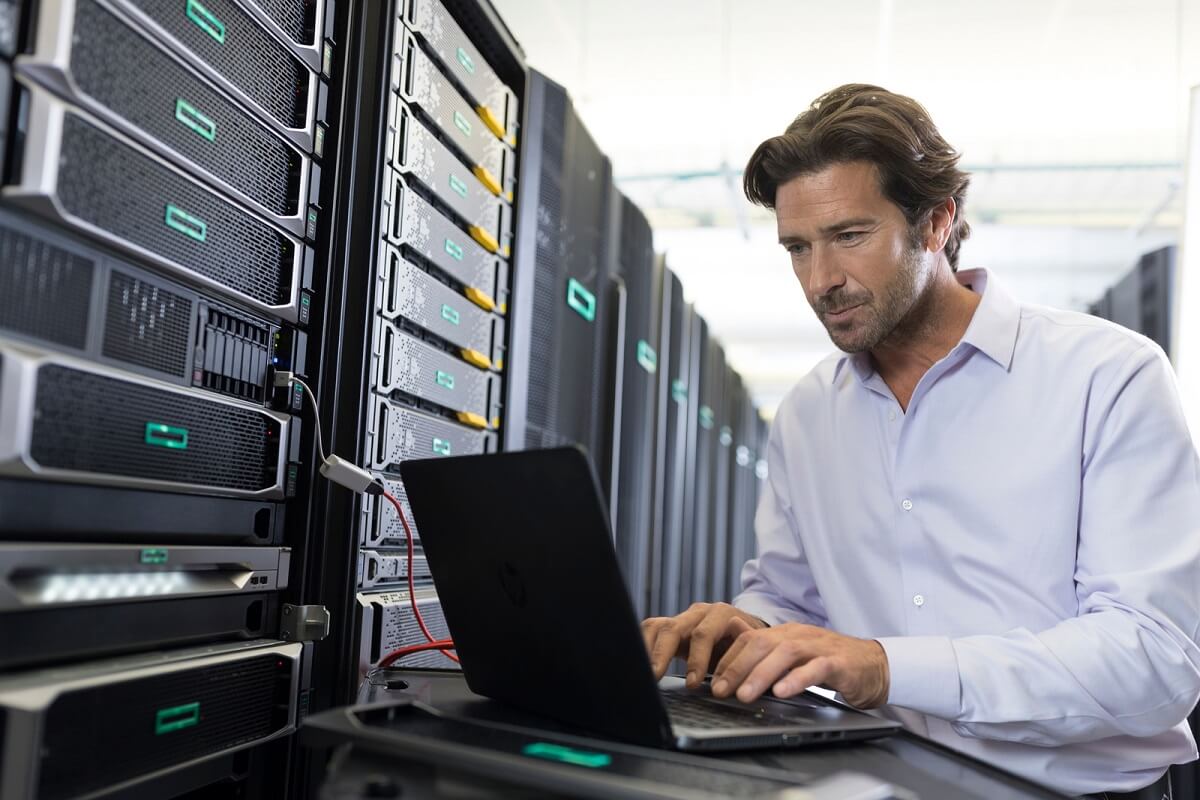
Rental providers typically offer a variety of servers to meet different business requirements. High-performance servers handle large-scale data processing, virtualization, and cloud computing applications. Meanwhile, standard servers support everyday operations, including email, file storage, and software hosting.
Furthermore, some providers offer specialized equipment, such as blade servers or rack-mounted systems. These devices suit data centers or businesses that require high-density computing. By renting, companies can access powerful technology immediately without committing to permanent infrastructure.
Networking Equipment Rental Options
Networking forms the backbone of seamless business connectivity. Consequently, renting networking equipment ensures reliable communication across all operations. Common rental options include routers, switches, firewalls, and wireless access points. These devices enable fast, secure, and efficient data transfer across both local and wide-area networks.
For instance, businesses hosting events or setting up temporary offices can deploy rented networking equipment quickly. Devices arrive preconfigured or can be set up with technical assistance, ensuring uninterrupted connectivity for employees, guests, or participants.
Benefits of Renting Server and Networking Equipment
Cost-Effective Solution
First and foremost, renting eliminates large upfront costs and reduces the financial risk associated with purchasing equipment that may become outdated. Businesses pay only for the duration they need, which allows them to manage budgets efficiently.
Flexibility and Scalability
Additionally, short-term projects or sudden business expansions often require additional equipment. Rental services allow companies to scale resources up or down without long-term commitments, providing adaptability to changing circumstances.
Access to the Latest Technology
Since technology evolves rapidly, staying current is crucial for efficiency and competitiveness. Renting ensures businesses always have access to the newest servers and networking devices, equipped with advanced features that improve performance.
Maintenance and Support
Moreover, rental providers typically include maintenance and technical support. Consequently, any issues are resolved promptly, minimizing downtime and ensuring smooth operations. This support is particularly valuable for companies without dedicated IT teams.
Eco-Friendly Option
Finally, renting promotes sustainability. By reusing devices across multiple clients and projects, providers reduce electronic waste. Businesses benefit from modern technology while making environmentally responsible choices.
Choosing the Right Rental Provider
Selecting a reliable rental provider is essential to maximize benefits. Therefore, businesses should consider the range of equipment offered, support services, rental terms, and the provider’s reputation.
A dependable provider offers devices suitable for various projects, flexible rental periods, and technical assistance to ensure seamless operations. By partnering with a trustworthy company, businesses reduce risks and focus on core objectives rather than managing IT infrastructure.
Applications of Rented Servers and Networking Equipment
Rented equipment is highly versatile. Businesses can deploy extra servers for data-heavy projects, set up temporary networks for events, or test new systems without permanent investment. Consequently, educational institutions, startups, and large enterprises alike can benefit from renting, as it enables them to remain agile and technologically equipped.
Conclusion
In conclusion, renting the latest server and networking equipment provides businesses with a practical, cost-effective, and flexible solution. It allows access to modern technology, supports scalability, and reduces financial and operational risks.
By choosing the right rental provider and planning appropriately, companies can ensure smooth IT operations, maintain a competitive edge, and manage short-term or evolving needs efficiently. Renting is not merely a temporary solution—it is a strategic approach that enables businesses to optimize performance while controlling costs.