








Information Technology (IT) has revolutionized education and learning worldwide. From classrooms to online platforms, technology enables students and teachers to access information, communicate effectively, and engage in interactive learning experiences. IT has created opportunities for personalized education and global collaboration.
E-Learning and Online Education
One of the most significant impacts of IT on education is e-learning. Online platforms allow students to attend courses, watch lectures, and complete assignments from anywhere.
Platforms like Coursera, Khan Academy, and Udemy provide access to high-quality education without geographical limitations. This flexibility enables lifelong learning and helps students balance studies with other commitments.
Access to Information
IT provides instant access to vast amounts of information. Digital libraries, online journals, and educational websites allow students to research topics quickly and efficiently.
With search engines and educational databases, learners can explore subjects in depth and stay updated on the latest developments. This access enhances critical thinking and independent learning skills.
Interactive and Engaging Learning Tools
Technology makes learning more interactive and engaging. Tools like simulations, virtual labs, and educational games help students understand complex concepts through practical experience.
For example, science students can perform virtual experiments safely, while history learners can explore interactive timelines. These methods improve comprehension and retention compared to traditional teaching techniques.
Collaboration and Communication
IT enables collaboration among students and teachers. Communication tools such as video conferencing, messaging apps, and collaborative documents allow group projects and discussions across distances.
Platforms like Google Workspace and Microsoft Teams support real-time collaboration, enhancing teamwork skills and enabling teachers to provide immediate feedback.
Personalized Learning Experiences
IT allows for personalized education tailored to individual learning styles and paces. Adaptive learning software uses data analytics to identify strengths and weaknesses, providing customized exercises and resources.
This approach ensures that students receive targeted support, improving learning outcomes and engagement. It also helps teachers monitor progress and adjust instruction effectively.
Remote Learning and Inclusivity
IT has expanded access to education for learners who cannot attend traditional schools due to health, location, or other barriers. Remote learning ensures inclusivity and equal opportunities for all students.
Assistive technologies, such as screen readers and speech-to-text tools, further support learners with disabilities, making education more accessible and equitable.
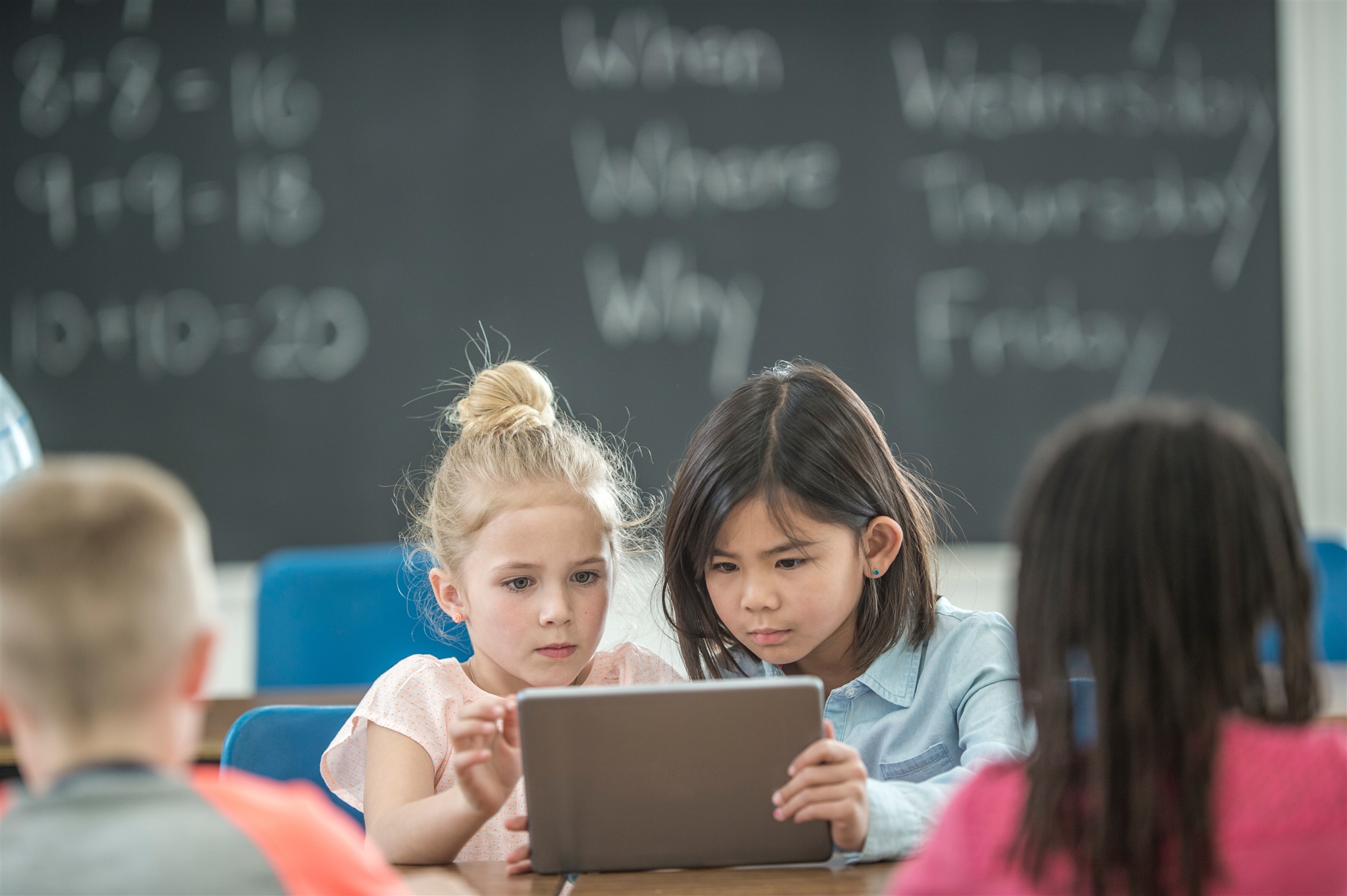
Preparing Students for the Digital World
IT in education also equips students with essential digital skills. Knowledge of software, data management, cybersecurity, and online communication prepares learners for careers in a technology-driven world.
By integrating IT into the curriculum, schools and universities ensure that students are ready to participate effectively in modern workplaces.
Conclusion
IT has transformed education and learning by making it more accessible, interactive, and personalized. Online platforms, digital resources, collaboration tools, and adaptive learning technologies enhance teaching and learning experiences.
As technology continues to evolve, IT will play an even more central role in shaping education. Embracing these innovations ensures that students are better prepared for academic success and future careers in a digital world.


