










Information Technology (IT) has transformed healthcare systems around the world. From hospitals to clinics, IT enhances patient care, streamlines operations, and improves data management. By integrating technology into medical practices, healthcare providers can deliver better services efficiently and safely.
Electronic Health Records (EHRs)
Electronic Health Records are a key IT innovation in healthcare. EHRs allow doctors and nurses to access patient information quickly and accurately.
Digital records reduce errors, prevent duplicated tests, and provide a complete view of a patient’s medical history. EHRs also support secure sharing of data among healthcare providers, improving coordinated care.
Telemedicine and Remote Consultations
Telemedicine has expanded healthcare access by enabling virtual consultations. Patients can communicate with doctors via video calls, chat, or phone, reducing the need for in-person visits.
This technology is particularly useful for rural or underserved areas, allowing patients to receive timely care without traveling long distances. Telemedicine also supports follow-up appointments and chronic disease management.
Medical Data Management and Analytics
IT helps healthcare providers collect, store, and analyze large volumes of medical data. Data analytics tools can identify trends, predict disease outbreaks, and improve treatment outcomes.
Hospitals can optimize resources, track patient progress, and make informed decisions using real-time insights. Analytics also support research and innovation in medicine.
Enhanced Patient Care and Safety
Technology improves patient care through monitoring systems, automated alerts, and decision support tools. For example, wearable devices can track heart rate, blood pressure, and glucose levels, sending data to healthcare providers in real time.
These tools help doctors intervene early, reducing complications and improving overall patient outcomes. IT also supports medication management and reduces the risk of medical errors.
Streamlining Hospital Operations
IT systems optimize hospital operations by managing appointments, billing, inventory, and staffing. Automated scheduling and workflow management reduce administrative burdens and improve efficiency.
Efficient operations allow healthcare professionals to focus more on patient care, leading to higher satisfaction and better outcomes.
Security and Compliance
Healthcare IT ensures that patient data is secure and compliant with regulations like HIPAA and GDPR. Encryption, access controls, and secure networks protect sensitive information from unauthorized access and cyberattacks.
Maintaining security and compliance builds trust with patients and ensures the legal and ethical handling of medical data.
Supporting Research and Innovation
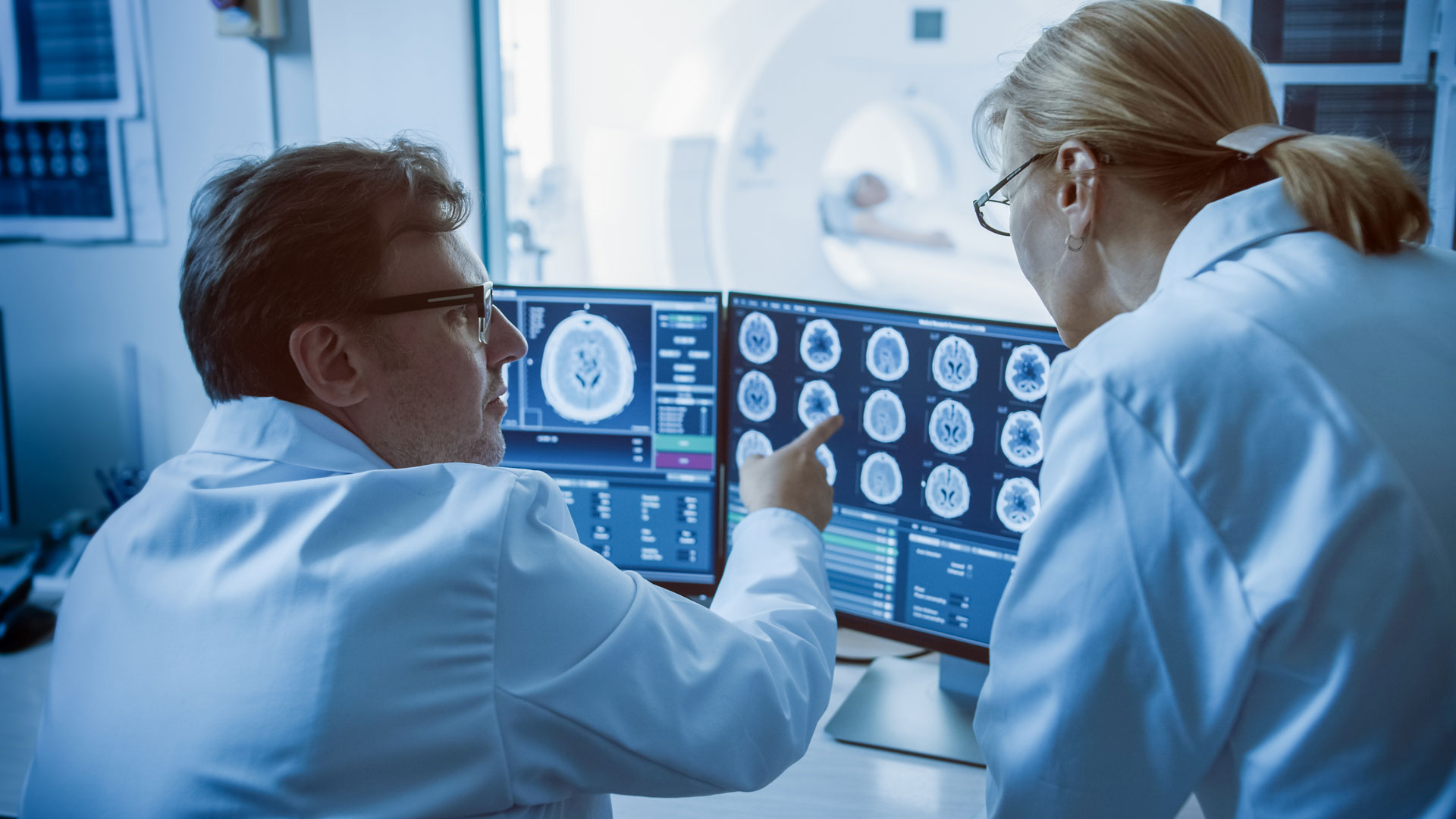
IT also plays a crucial role in medical research. Digital databases, cloud computing, and AI tools help researchers analyze data, model diseases, and develop new treatments.
This accelerates innovation in healthcare, from developing vaccines to personalized medicine, ultimately improving global health outcomes.
Conclusion
The role of IT in healthcare systems is vital for improving patient care, operational efficiency, and medical research. Electronic health records, telemedicine, data analytics, and secure IT systems enable healthcare providers to deliver timely, effective, and safe services.
By embracing technology, healthcare systems can meet the growing demands of patients, reduce costs, and enhance overall medical outcomes. IT is no longer optional—it is an essential component of modern healthcare.


