










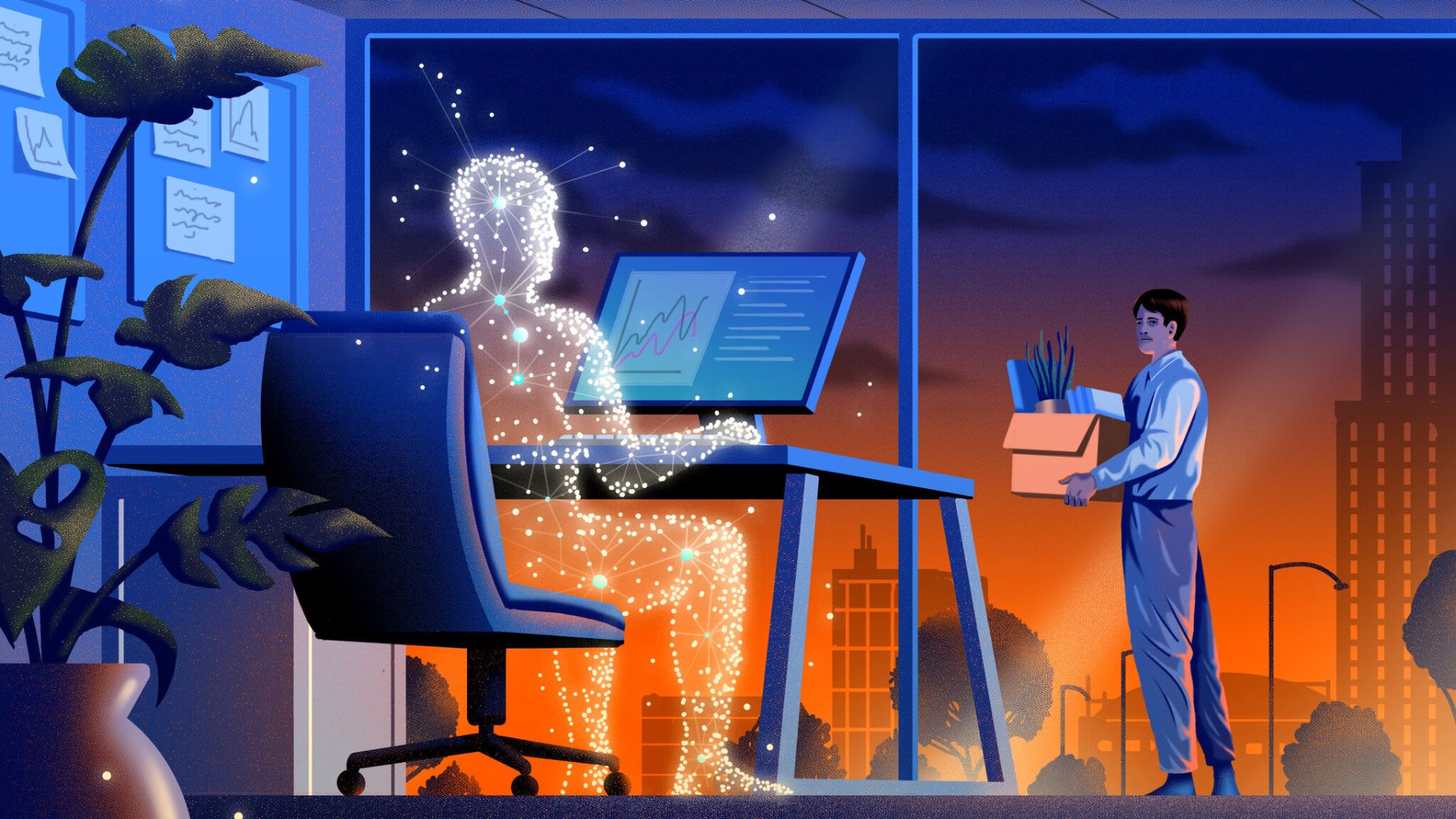
Artificial Intelligence (AI) is revolutionizing industries, and the Information Technology (IT) sector is no exception. From automating tasks to enhancing cybersecurity, AI is transforming how IT professionals approach their work. Today, companies that adopt AI-driven solutions are seeing faster operations, better decision-making, and reduced costs. As we explore this shift, it becomes clear that AI is changing how IT works on every level—from helpdesk support to infrastructure management.
Automating Routine IT Tasks
One of the most visible ways AI is impacting IT is through automation. IT departments often spend countless hours on repetitive tasks such as software updates, system monitoring, and troubleshooting. Now, AI-powered systems can handle many of these functions autonomously. For instance, machine learning algorithms detect unusual patterns in network behavior and resolve minor issues without human intervention. This not only saves time but also improves consistency and reliability across systems.
Enhancing Cybersecurity Measures
Moreover, AI is playing a crucial role in improving cybersecurity strategies. Traditional security systems rely heavily on static rules and predefined responses. In contrast, AI-enabled tools can learn from previous attacks and adapt to new threats in real time. As cyberattacks become more sophisticated, this adaptive security model is essential. In fact, many companies are now integrating AI into their threat detection and incident response systems. Clearly, AI is changing how IT works in terms of defending against modern digital threats.
Streamlining IT Support and Service
Another area seeing dramatic change is IT support. AI-powered chatbots and virtual assistants are now resolving technical issues, resetting passwords, and answering employee queries without the need for human helpdesk staff. As a result, organizations are reducing wait times and improving user satisfaction. Additionally, these smart systems learn from interactions, meaning they become more effective over time. This ongoing improvement ensures that support services continue to evolve and meet user needs efficiently.
Improving Infrastructure Management
In addition to support, AI also enhances how IT teams manage infrastructure. With predictive analytics, AI can forecast hardware failures, recommend system upgrades, and optimize resource usage. For example, data centers use AI to balance workloads across servers, reducing downtime and energy consumption. This proactive approach allows IT departments to prevent problems before they occur, leading to a more stable and cost-effective environment. Thus, AI is changing how IT works behind the scenes in critical ways.
Accelerating Software Development
AI is also boosting productivity in software development. Developers now use AI tools to generate code, identify bugs, and test applications faster than ever before. These intelligent platforms reduce manual labor, allowing teams to focus on strategic tasks. As a result, products reach the market sooner and with fewer errors. Furthermore, AI-driven code review tools ensure high-quality software by identifying vulnerabilities early in the development cycle. This improvement underscores how AI is deeply integrated into modern IT workflows.
Adapting IT Roles and Skills
Finally, the rise of AI is reshaping the skills required in IT. As automation takes over routine functions, IT professionals must now focus on higher-level strategic thinking, AI integration, and ethical decision-making. Companies are seeking team members who understand both technology and business objectives. Therefore, continuous learning and upskilling are becoming essential in the AI-driven IT landscape. It’s evident that AI is changing how IT works, not just in processes, but in the very nature of IT roles.


