








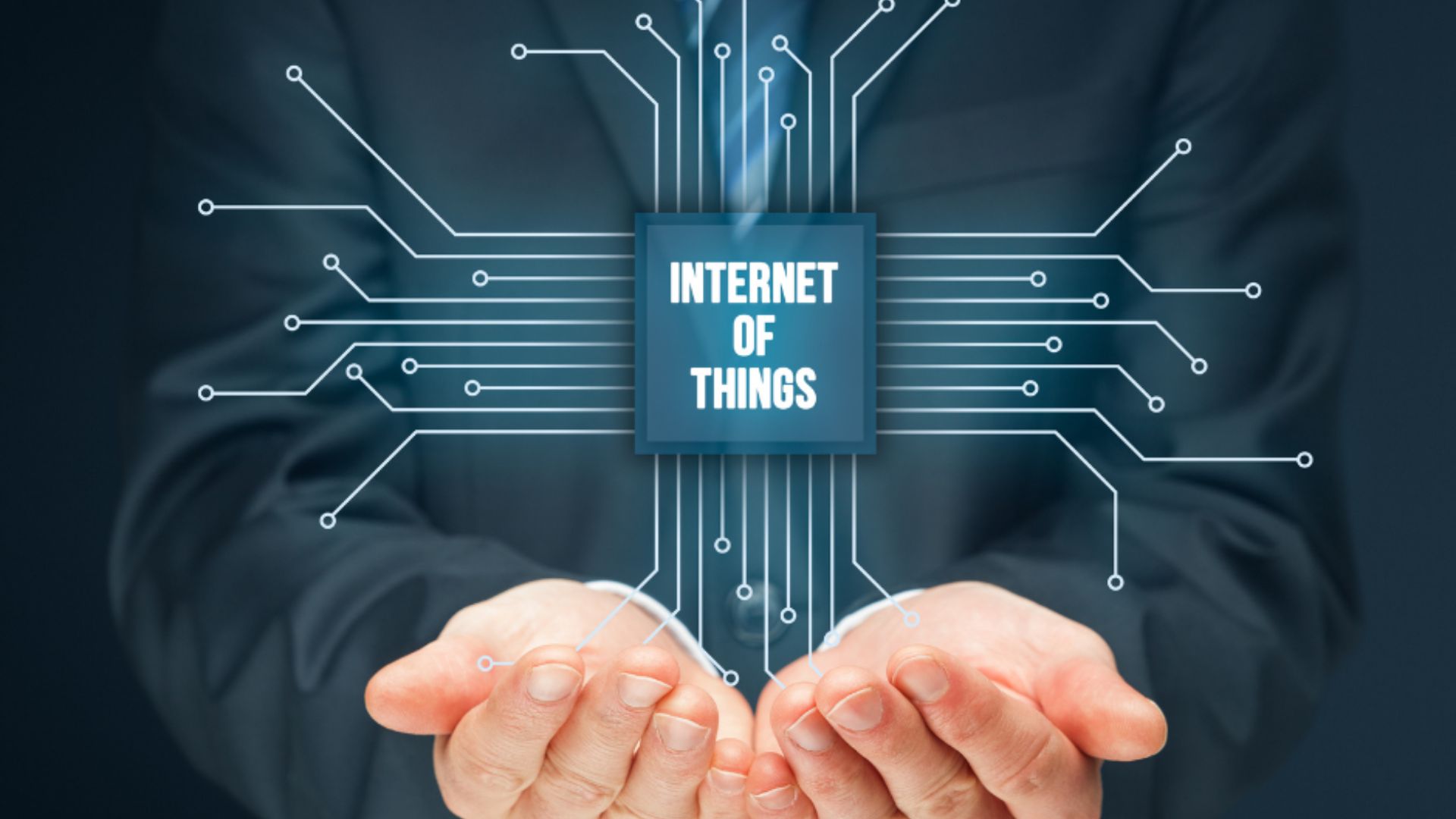
In today’s technology-driven world, businesses often face the challenge of balancing innovation with existing infrastructure. This is why software integration with existing hardware systems plays a crucial role in modernizing operations without the expense and disruption of replacing hardware. By integrating new software with current devices, companies can enhance functionality, streamline processes, and improve data accuracy — all while minimizing downtime and cost.
Why Is Software Integration With Existing Hardware Systems Important?
First and foremost, businesses frequently rely on legacy hardware systems that still perform vital tasks. However, these devices often operate in isolation, creating information silos that hinder communication across departments. Therefore, integrating software with these hardware systems becomes essential to connect disparate components and enable smooth data flow.
Moreover, with the rapid pace of technological advancement, businesses must adapt quickly. Software integration offers a practical way to upgrade capabilities without a full overhaul of physical equipment. In addition, it allows companies to maintain their investments in hardware while benefiting from modern software features such as automation, real-time analytics, and remote monitoring.
In short, software integration with existing hardware systems bridges the gap between old and new technology, making operations more agile and efficient.
Key Benefits of Integrating Software With Hardware Systems
There are numerous advantages to software integration, but some stand out as particularly impactful for businesses:
-
Cost Savings: Instead of replacing entire hardware setups, integrating software maximizes existing investments, which significantly reduces capital expenditure.
-
Enhanced Efficiency: Integrated systems automate many manual processes, speeding up workflows and reducing human errors.
-
Improved Data Accuracy: Synchronizing software with hardware ensures that data is consistent and up-to-date across all platforms, leading to better decision-making.
-
Scalability: Businesses can easily add new software capabilities as needs evolve, without worrying about hardware limitations.
-
Better Monitoring and Control: Integration enables real-time tracking of hardware performance and operational metrics, allowing for timely interventions and maintenance.
Consequently, companies that adopt integrated solutions gain a competitive edge by being more responsive and adaptable.
Common Challenges and How to Overcome Them
Despite the clear benefits, integrating software with existing hardware is not without its hurdles. Fortunately, understanding these challenges helps prepare for a smoother implementation.
Compatibility Issues
One of the most common obstacles is ensuring the software supports the hardware’s communication protocols. Legacy systems may use outdated standards, making direct integration difficult. To overcome this, businesses should:
-
Conduct a thorough compatibility assessment before selecting software.
-
Use middleware platforms that act as translators between incompatible systems.
-
Collaborate closely with vendors who specialize in legacy system integration.
Security Concerns
Integrating new software can expose hardware to cybersecurity risks, especially if systems weren’t originally designed with modern security in mind. Therefore, it’s critical to:
-
Implement robust encryption and authentication protocols.
-
Regularly update software to patch vulnerabilities.
-
Educate employees on security best practices related to integrated systems.
Complex Implementation
Integrating software with hardware requires careful planning and technical expertise. Without proper management, integration projects can become costly and time-consuming. Hence, it’s advisable to:
-
Develop a clear project plan with milestones.
-
Engage IT professionals experienced in system integration.
-
Perform extensive testing to catch issues early.
User Training
Finally, employees must be trained on new integrated systems to avoid operational disruptions. Providing ongoing support and resources ensures a smooth transition.
Popular Software Solutions for Integration
To facilitate integration, businesses commonly use the following types of software:
Middleware Platforms
Middleware serves as a communication bridge between software applications and hardware devices. It converts data formats and protocols so that systems can interact seamlessly, especially when working with legacy equipment.
Internet of Things (IoT) Management Software
IoT platforms manage connected devices and sensors, enabling real-time monitoring, automation, and predictive maintenance. This is particularly useful for industries relying on smart hardware systems.
Custom APIs (Application Programming Interfaces)
Custom APIs allow businesses to tailor software-to-hardware communication based on specific needs. APIs enable precise data exchange and control, providing flexibility and scalability.
Best Practices to Ensure Successful Software Integration With Hardware
For a successful integration, companies should follow these steps:
-
Assess Current Infrastructure: Map out existing hardware and software to identify integration points.
-
Define Clear Objectives: Establish what the integration aims to achieve, such as improved efficiency or cost reduction.
-
Choose Compatible Solutions: Select software platforms known for compatibility with your hardware.
-
Focus on Security: Prioritize cybersecurity measures throughout the integration process.
-
Test Thoroughly: Pilot the integrated system to identify and fix issues before full deployment.
-
Train Staff: Provide comprehensive training and support to ensure users can effectively operate the new system.
-
Monitor and Optimize: Continuously track system performance and make adjustments as necessary.
Final Thoughts
Ultimately, software integration with existing hardware systems is a strategic move for businesses that want to modernize without starting from scratch. By connecting software and hardware, companies improve operational efficiency, enhance data accuracy, and save significant costs. Furthermore, integrated systems provide the flexibility to adapt to future technological advances smoothly.
If you’re ready to leverage your current hardware infrastructure while embracing new software capabilities, exploring integration options is a smart first step. Feel free to reach out for tailored guidance on making the most of software and hardware synergy in your business.


