










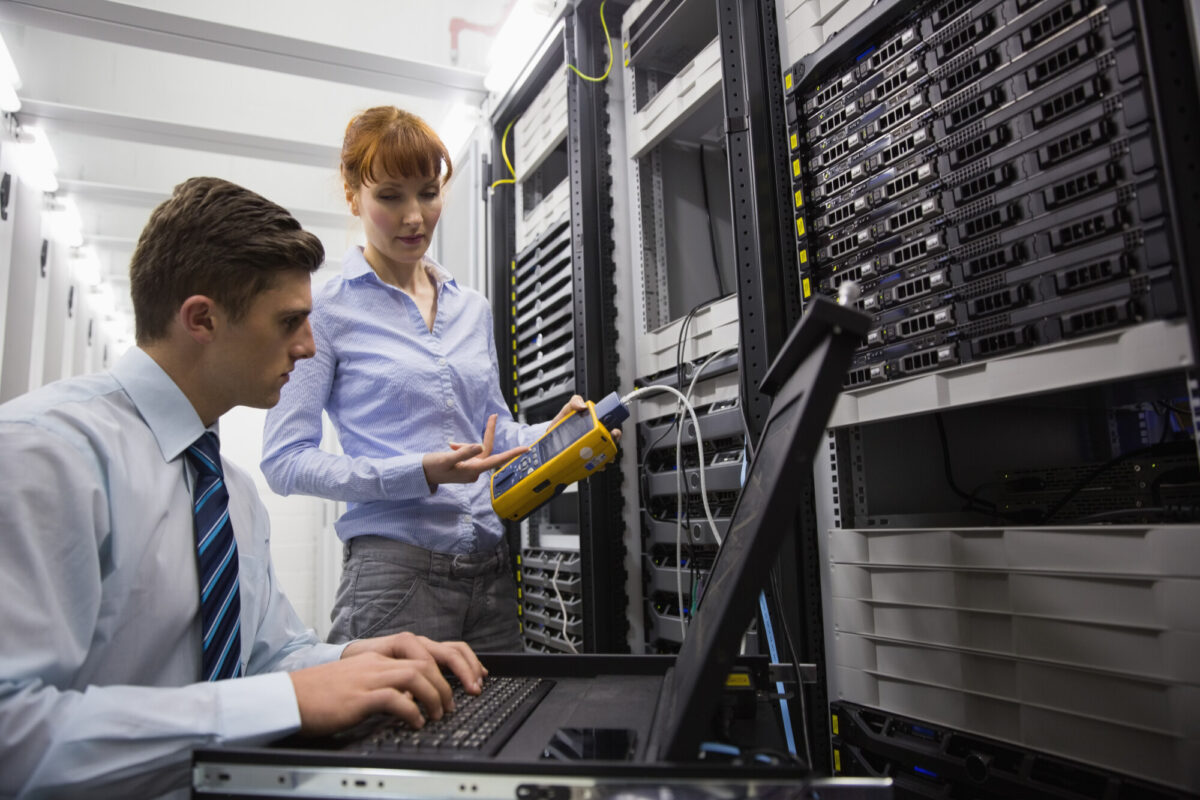
Reliable networking is essential for businesses and home users alike. Slow or unstable networks can hinder productivity, disrupt communication, and reduce overall efficiency. Investing in networking hardware that boosts performance allows users to enjoy faster speeds, stronger connections, and improved reliability. From routers and switches to access points and cables, the right hardware can transform network performance. This article explores essential networking devices and explains how they optimize connectivity for modern environments.
Routers: The Heart of Connectivity
First and foremost, routers serve as the central hub of any network. High-performance routers manage traffic efficiently, reduce latency, and support multiple connected devices simultaneously. Modern routers offer advanced features such as dual- or tri-band frequency, Quality of Service (QoS), and beamforming technology to prioritize critical applications. Furthermore, routers with the latest Wi-Fi standards, such as Wi-Fi 6 or Wi-Fi 6E, deliver faster speeds, wider coverage, and lower latency. By selecting a powerful router, businesses and home users can ensure smooth connectivity for streaming, gaming, and online collaboration.
Switches: Optimizing Data Flow
In addition to routers, switches play a critical role in enhancing network performance. Switches connect multiple devices within a network and manage data traffic efficiently. Managed switches offer advanced features like VLANs, traffic monitoring, and port prioritization, enabling IT teams to optimize performance for high-demand applications. Moreover, gigabit and multi-gigabit switches support faster data transfer, which is crucial for businesses handling large files or video conferencing. By integrating switches into the network infrastructure, organizations can reduce bottlenecks and improve overall efficiency.
Access Points: Extending Coverage
Access points (APs) extend network coverage and ensure strong connectivity across larger spaces. They are especially valuable in offices, warehouses, and campuses where a single router cannot reach all areas. Modern access points support multiple users simultaneously, offering seamless roaming and high-speed connections. Furthermore, cloud-managed APs allow IT teams to monitor, configure, and troubleshoot devices remotely. By deploying reliable access points, businesses and home users can maintain consistent connectivity and reduce dead zones.
Network Cables and Connectors: Ensuring Reliable Connections
Often overlooked, high-quality network cables and connectors significantly impact performance. Cat6 and Cat6a Ethernet cables support faster data transfer speeds and reduce signal interference. Additionally, proper cable management and connectors prevent packet loss and maintain network stability. For larger networks, fiber optic cables provide ultra-fast data transmission over long distances, supporting high-bandwidth applications. By using quality cabling, organizations ensure that their networking hardware operates at peak efficiency.
Firewalls and Security Appliances: Protecting Performance
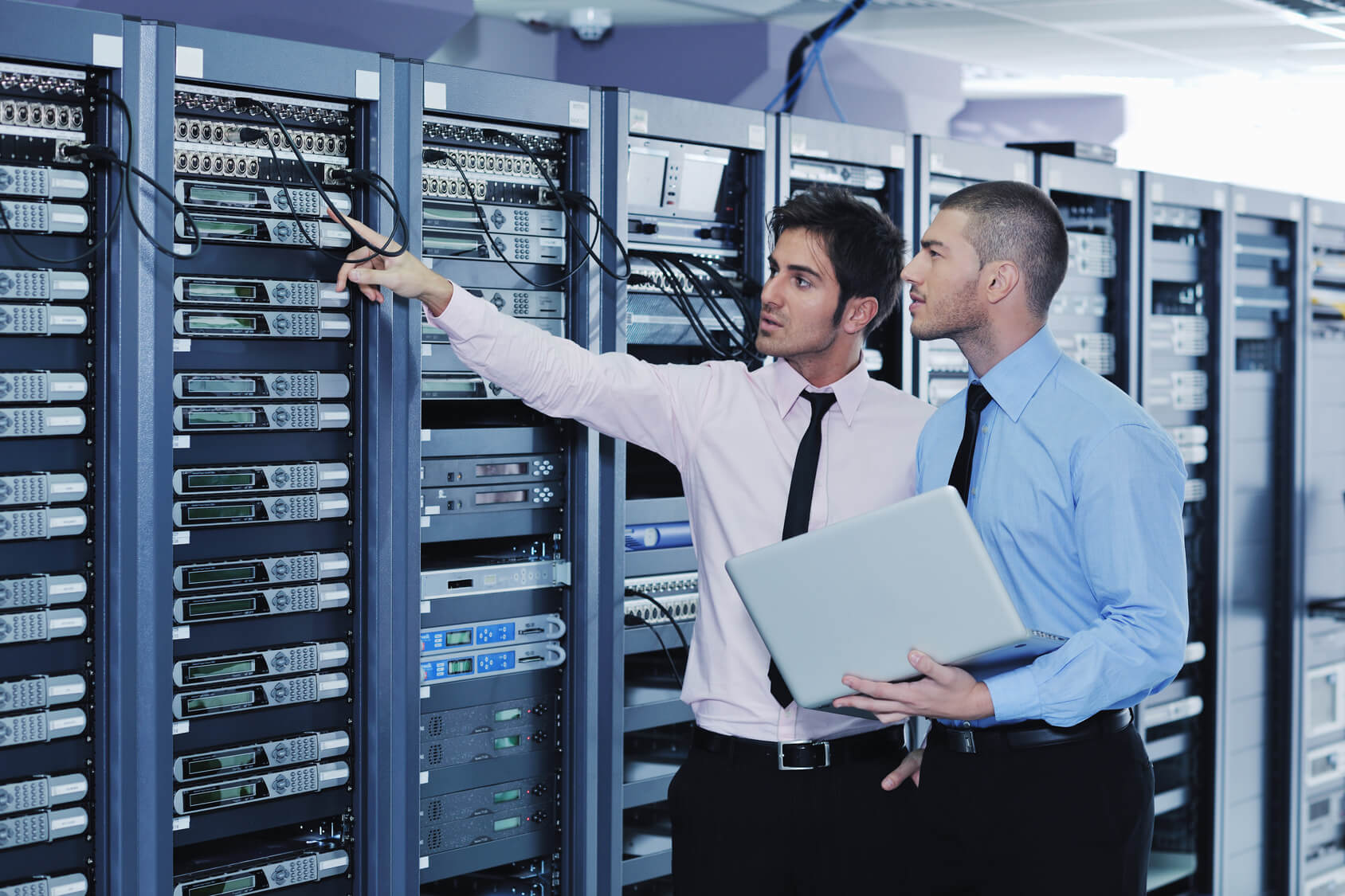
Networking hardware also includes firewalls and security appliances that protect networks from cyber threats. A secure network maintains performance by preventing unauthorized access, malware, and bandwidth-hogging attacks. Next-generation firewalls combine threat detection with traffic management to prioritize critical applications while blocking malicious activity. Moreover, hardware-based security solutions reduce the load on servers and routers, ensuring that performance remains optimal. By integrating robust security appliances, organizations can safeguard data without sacrificing speed or reliability.
Network Monitoring Tools: Proactive Performance Management
To maximize the benefits of networking hardware, monitoring tools play a key role. Network monitoring solutions track performance, detect issues, and provide actionable insights for optimization. They allow IT teams to identify congestion, pinpoint failures, and manage bandwidth allocation effectively. By proactively addressing network problems, businesses maintain consistent performance and prevent downtime that could disrupt operations.
Future-Proofing Networks
Finally, investing in networking hardware that supports emerging technologies ensures long-term performance. Hardware compatible with Wi-Fi 6E, 5G integration, and multi-gigabit speeds prepares networks for increasing demand. Upgradable switches, modular routers, and cloud-managed devices allow businesses to scale and adapt without replacing the entire infrastructure. By future-proofing networks, organizations can maintain performance and accommodate growth over time.
Conclusion
Networking hardware that boosts performance transforms connectivity for businesses and home users. High-quality routers, switches, access points, cables, firewalls, and monitoring tools collectively enhance speed, reliability, and efficiency. Furthermore, future-proof hardware ensures networks remain scalable and adaptable to evolving demands. By investing in the right networking solutions, organizations can optimize productivity, support critical applications, and deliver seamless digital experiences. Strong networks not only improve operations but also provide a foundation for growth in today’s technology-driven world.


