











Designing a workspace is no longer just about placing desks and chairs in a room. Today’s professionals demand environments that support productivity, creativity, and collaboration. That’s where architectural solutions for modern office spaces come into play. These solutions go far beyond aesthetics—they improve workflows, enhance employee well-being, and maximize the use of space.
Why Modern Offices Need Smarter Architectural Design
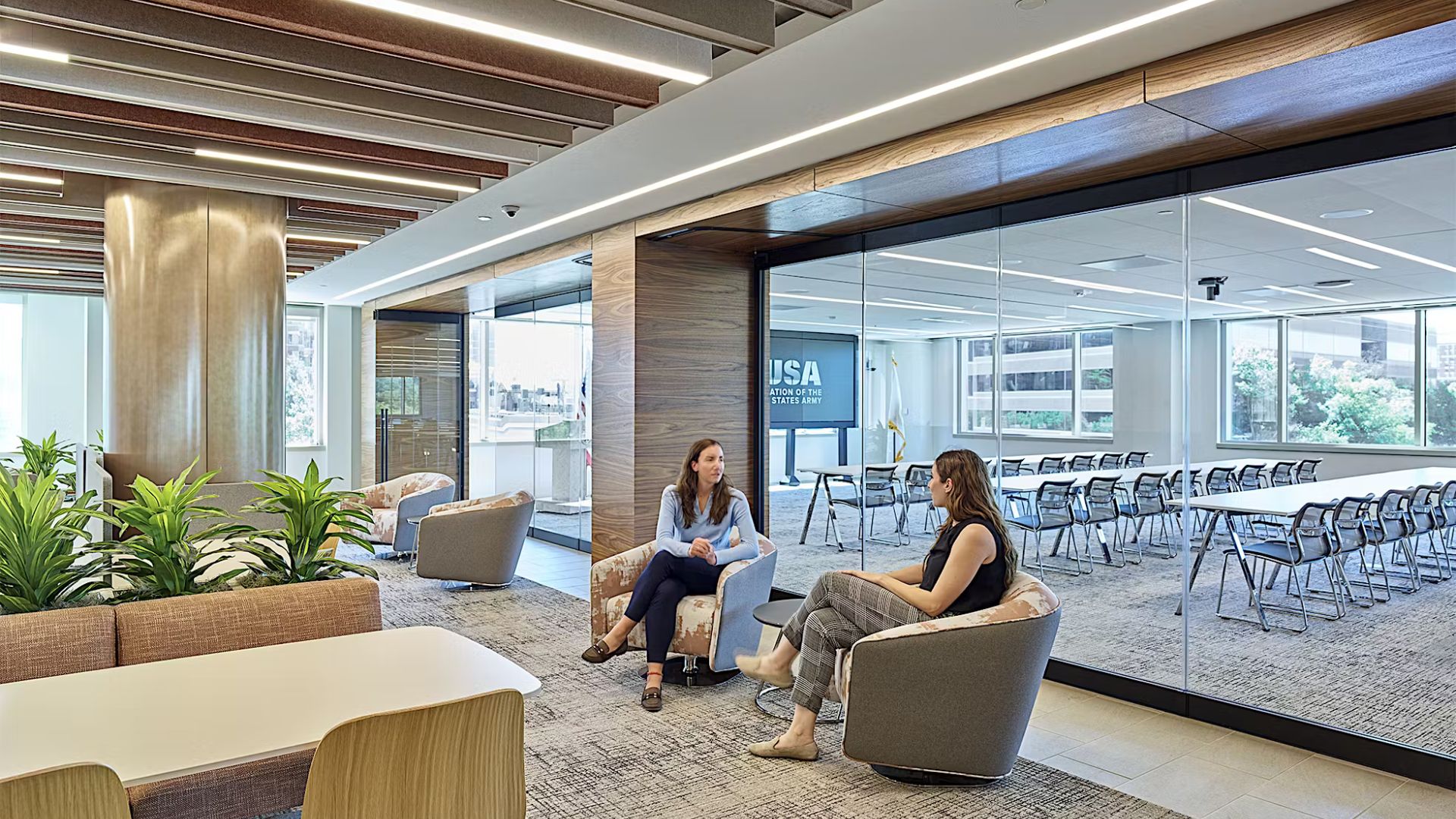
The traditional office layout—with cubicles, fluorescent lighting, and rigid spaces—no longer meets the demands of a dynamic workforce. As businesses adopt flexible work arrangements and prioritize wellness, architecture must adapt. A modern office must balance openness with privacy, embrace natural light, and incorporate sustainable design features.
Architectural solutions for modern office spaces focus on blending form with function. They’re designed not just to look impressive but also to support the evolving ways teams work and interact.
Key Elements Of Innovative Office Architecture
Modern office architecture considers multiple factors to create a space that works as hard as its occupants. Here’s what defines forward-thinking office design:
1. Flexible Space Planning
One of the most valuable architectural solutions for modern office spaces is adaptability. Instead of fixed layouts, designers now create modular environments that can be reconfigured easily.
-
Movable partitions for team restructuring
-
Multi-purpose zones that serve as both meeting and relaxation areas
-
Flexible furniture arrangements for individual and group work
This level of versatility helps businesses adjust as their teams grow or shift direction.
2. Natural Light And Ventilation
Good architecture doesn’t isolate people from the outside world. Letting in natural light improves mood, reduces energy use, and boosts productivity. Large windows, glass partitions, and open layouts encourage daylight to flow throughout the space.
Ventilation is equally important. Clean, fresh air can improve focus and reduce sick days. Many architects are now integrating green walls, operable windows, and smart climate systems into their office designs.
3. Sustainable And Eco-Friendly Design
Sustainability is no longer optional. Architectural solutions for modern office spaces now prioritize eco-conscious materials, energy-efficient systems, and waste-reducing strategies. These might include:
-
Low-VOC paints and finishes
-
Recycled construction materials
-
Solar panels and energy management systems
-
Rainwater harvesting for landscaping
Not only do these features reduce environmental impact, but they also reflect a company’s values to clients and employees.
Technology Integration In Office Architecture
Technology isn’t just about devices—it’s part of the infrastructure. Smart architecture integrates technology seamlessly into the building itself. From intelligent lighting systems that adjust throughout the day to integrated audio-visual setups in meeting rooms, the modern office is wired for efficiency.
Architectural solutions for modern office spaces also include built-in charging stations, concealed cabling, and digital access controls to keep the workspace clean, secure, and functional.
Encouraging Collaboration Through Design
Collaboration is vital in the modern workplace. Instead of isolating departments, architectural strategies now focus on connection and communication. This is achieved by:
-
Creating open communal areas like lounges and cafés
-
Designing small breakout rooms for quick meetings
-
Encouraging casual encounters through “collision zones”
Such spaces foster creativity and encourage spontaneous problem-solving, which often leads to innovation.
Prioritizing Employee Well-being
A successful office is one that supports the people inside it. Modern architecture addresses mental and physical health by designing spaces that reduce stress, promote movement, and offer comfort.
Some well-being-focused architectural solutions include:
-
Quiet zones for focused work
-
Ergonomic furniture and standing desks
-
Onsite wellness rooms and meditation spaces
-
Access to outdoor areas or rooftop gardens
By prioritizing comfort and health, businesses see greater engagement and satisfaction among their employees.
Case Study: How Architecture Transformed a Tech Startup
Take the example of a fast-growing tech startup that moved into a converted warehouse. By investing in tailored architectural solutions for modern office spaces, they transformed a dark, closed-off environment into a vibrant, collaborative hub.
They installed skylights to bring in natural light, created a mix of open spaces and private nooks, and used sustainable materials throughout the renovation. The result? A 30% increase in employee satisfaction and a measurable boost in productivity within just three months.
How To Get Started With Office Design
If you’re considering upgrading or redesigning your office, it helps to start with a clear strategy. Here are a few steps to guide you:
-
Assess Your Team’s Needs: Understand how different departments work and what their space requirements are.
-
Set Clear Objectives: Whether it’s improving collaboration, reducing noise, or supporting hybrid work, define your goals.
-
Consult With Experts: Work with architects who specialize in architectural solutions for modern office spaces to get custom strategies.
-
Think Long-Term: Design for scalability and future growth, not just current needs.
Final Thoughts
Modern offices are more than just places to work—they are ecosystems designed to support people, processes, and productivity. The right architectural solutions for modern office spaces can transform an uninspired environment into a vibrant, efficient, and welcoming one. As the way we work continues to evolve, so too must the spaces we work in. Through smart planning, thoughtful design, and a focus on sustainability, businesses can create offices that are truly future-ready.


