








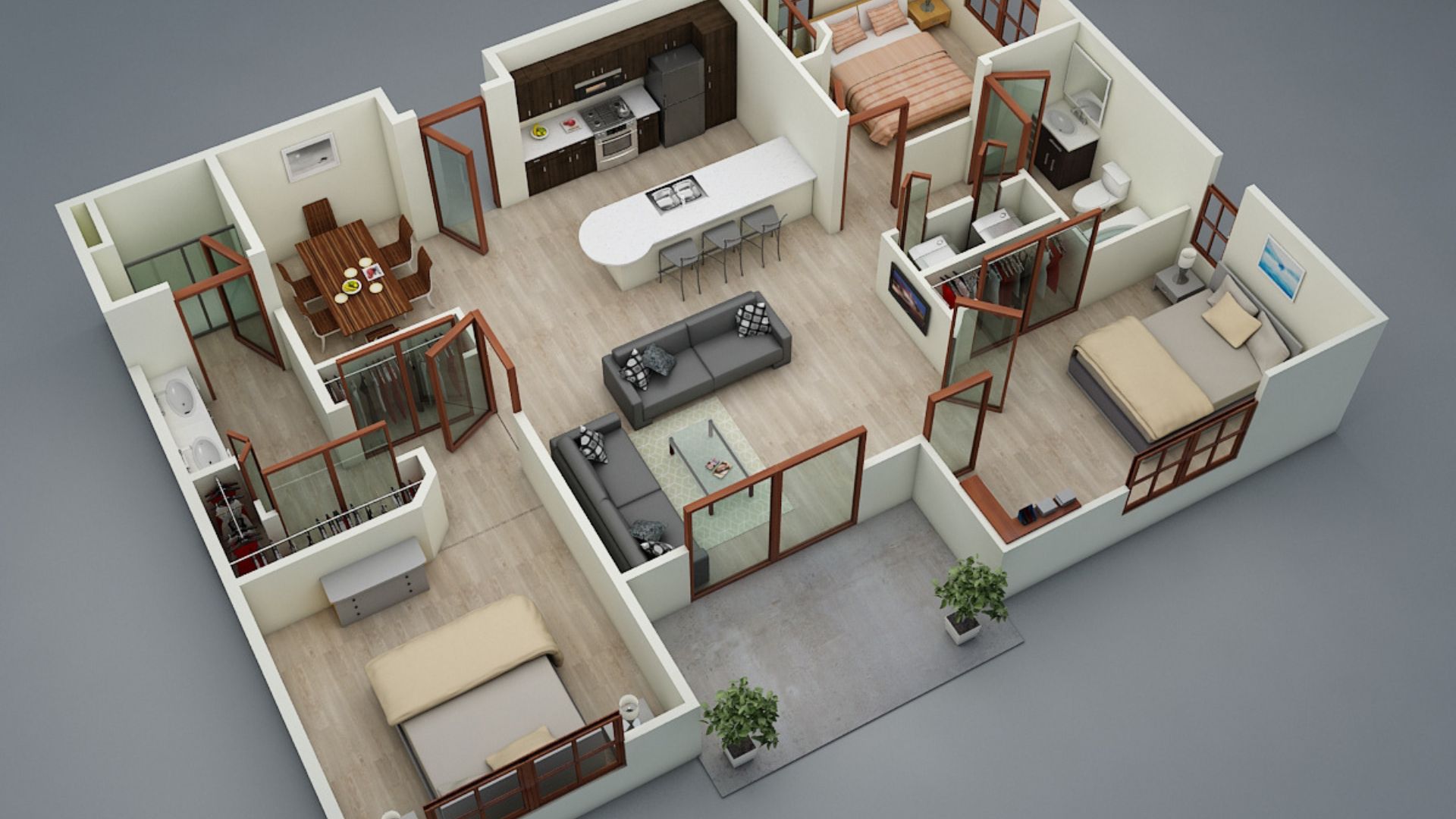
In today’s fast-paced industries, 3D modeling is revolutionizing how teams plan, design, and execute projects. Whether in architecture, engineering, or manufacturing, this technology enables teams to visualize ideas in lifelike detail before construction even begins. Gone are the days of relying solely on 2D blueprints or static presentations. With 3D models, planners can identify potential challenges early, streamline workflows, and improve decision-making. As a result, projects become faster, smarter, and more cost-effective.
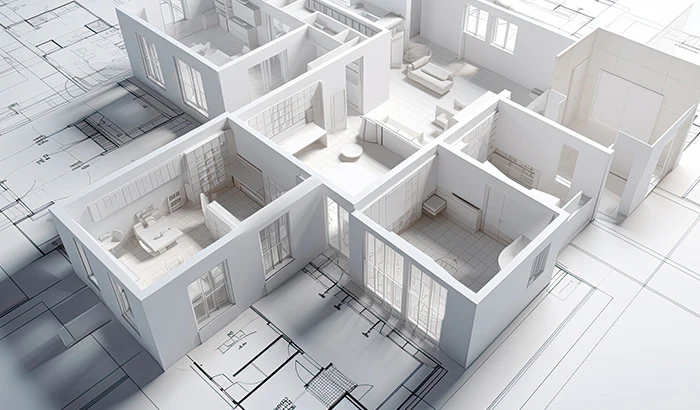
Clearer Visualization for Better Understanding
One of the greatest advantages of 3D modeling is its ability to present a realistic representation of the final product. Instead of interpreting abstract drawings, stakeholders can see the design in full context. This helps clients, investors, and team members better understand the project’s scope and vision. It also reduces miscommunication and sets accurate expectations from the start. With everyone on the same page, collaboration becomes more efficient and productive.
Early Detection of Design Flaws
Detecting design errors late in the project often leads to costly changes and delays. 3D modeling transforms project planning by identifying clashes, inconsistencies, or impractical designs early in the process. For example, architects can spot structural issues, while engineers can assess how components interact. This allows teams to make corrections before resources are wasted. By resolving issues during the planning phase, the project stays on track and within budget.
Enhanced Collaboration Across Teams
Today’s complex projects involve multiple disciplines working together—designers, engineers, contractors, and stakeholders. 3D modeling fosters collaboration by providing a shared, interactive platform. Team members can comment, suggest changes, and explore the model in real time. Cloud-based tools make it easy to share updates instantly, regardless of location. This level of transparency not only improves teamwork but also accelerates project timelines by reducing back-and-forth communication.
Accurate Cost and Time Estimation
Budget overruns and schedule delays are common project pitfalls. Fortunately, 3D modeling helps mitigate these risks by offering precise data for planning. With detailed visuals and simulations, teams can estimate material quantities, labor needs, and timeframes more accurately. Some models even integrate with BIM (Building Information Modeling) systems for enhanced analytics. This data-driven approach results in more reliable projections, smarter resource allocation, and improved profitability.
Streamlining Client Approvals
Clients often struggle to grasp technical drawings and jargon-heavy presentations. 3D modeling simplifies the approval process by providing clear visuals that anyone can understand. Clients can virtually walk through spaces, rotate components, or view animations of how systems work. This interactive experience increases client confidence and reduces the number of revisions required. Ultimately, it shortens the feedback loop and speeds up the path to project approval.
Supporting Sustainability and Innovation
Sustainability is a growing priority in modern project planning, and 3D modeling plays a vital role in meeting green goals. By simulating energy use, airflow, or material efficiency, designers can make informed choices early on. Additionally, teams can explore innovative design concepts without committing physical resources. This ability to test and refine solutions virtually supports environmentally conscious decisions and minimizes material waste during development.
Final Thoughts: A Smarter Way to Build the Future
In conclusion, 3D modeling transforms project planning by turning ideas into interactive, visual experiences that drive better outcomes. From early-stage visualization to final execution, it enhances accuracy, collaboration, and innovation every step of the way. As industries continue to embrace digital transformation, 3D modeling stands out as a critical tool for planning success. For professionals seeking to reduce risk and deliver smarter projects, 3D is no longer optional—it’s essential.


