








The landscape of urban architecture is rapidly evolving as cities around the world grapple with environmental challenges, technological advancements, and changing lifestyles. Today’s architectural design trends are not just about aesthetics—they focus on sustainability, efficiency, and adaptability. Below are the top 5 architectural design trends currently reshaping modern cities and influencing the way we live, work, and interact with urban spaces.
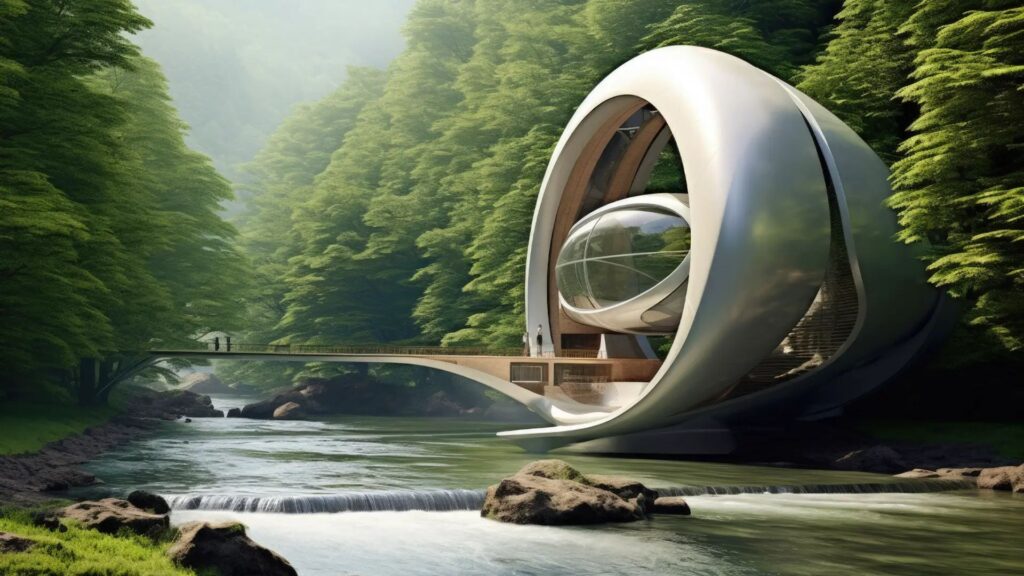
Sustainable and Green Architecture
Sustainability is no longer a niche concept—it’s a necessity. Architects are now designing buildings that minimize environmental impact, conserve resources, and promote energy efficiency.
Key features:
-
Use of eco-friendly materials (bamboo, recycled steel, reclaimed wood)
-
Green roofs and vertical gardens
-
Solar panels and renewable energy systems
-
Rainwater harvesting and smart water usage
Cities like Singapore and Copenhagen are leading the charge with regulations and incentives promoting green architecture. These designs not only lower carbon footprints but also improve indoor air quality and reduce operational costs.
Smart and Connected Buildings
The integration of smart technology into building design is revolutionizing city infrastructure. From automation to energy management, smart buildings enhance convenience and sustainability.
Common technologies:
-
IoT-enabled sensors for lighting, temperature, and security
-
AI-powered building management systems
-
Voice-activated devices and smart elevators
-
Real-time occupancy monitoring
These innovations create responsive buildings that adapt to occupants’ needs while optimizing energy use. In smart cities like Seoul and Amsterdam, connected architecture is central to improving the quality of life.
Mixed-Use Developments
Gone are the days of single-purpose zones. Urban planners and architects are embracing mixed-use developments that combine residential, commercial, and recreational spaces into one.
Benefits:
-
Reduces need for transportation
-
Encourages walkability and community interaction
-
Boosts economic activity and urban vibrancy
Projects like Hudson Yards in New York City and Canary Wharf in London exemplify this trend. These vertical communities are redefining urban living by offering convenience and connectivity in compact, multifunctional spaces.
Adaptive Reuse and Renovation
Rather than demolishing old structures, modern architects are focusing on adaptive reuse—repurposing existing buildings for new functions.
Examples:
-
Turning old factories into tech hubs or creative studios
-
Converting warehouses into loft apartments
-
Reclaiming churches as community centers or libraries
This trend preserves cultural heritage, reduces construction waste, and is often more cost-effective than new builds. Cities like Berlin and Detroit are showcasing the power of architectural transformation through adaptive reuse.
Resilient and Disaster-Ready Design
With the increasing frequency of natural disasters and climate change impacts, resilient architecture is crucial. This trend emphasizes buildings that can withstand floods, earthquakes, fires, and other extreme conditions.
Features include:
-
Elevated foundations for flood-prone areas
-
Fire-resistant materials
-
Wind-load-resistant structures
-
Flexible floorplans to accommodate emergency use
Designs are also incorporating modular construction, enabling faster rebuilding in post-disaster scenarios. Urban resilience is now part of city planning policies in places like Tokyo and Miami.
Conclusion
The future of architecture in modern cities is being shaped by a blend of technology, sustainability, resilience, and social awareness. As urban populations grow, architects and planners are responding with innovative solutions that prioritize both human needs and planetary health. By embracing these trends, cities are becoming more livable, efficient, and adaptive to the demands of the 21st century.


