








Sustainability is transforming the world of architecture. Today, buildings are designed not only for aesthetics and functionality but also for environmental responsibility. Green architecture focuses on reducing energy use, conserving resources, and creating healthier spaces. Using eco-friendly materials is a key part of this movement. Together, these practices are shaping the future of construction.
The Rise of Green Architecture
Green architecture emphasizes designs that minimize harm to the environment. Modern architects aim to reduce carbon footprints, save water, and improve air quality. Buildings now incorporate energy-efficient systems, natural ventilation, and renewable energy sources like solar and wind.
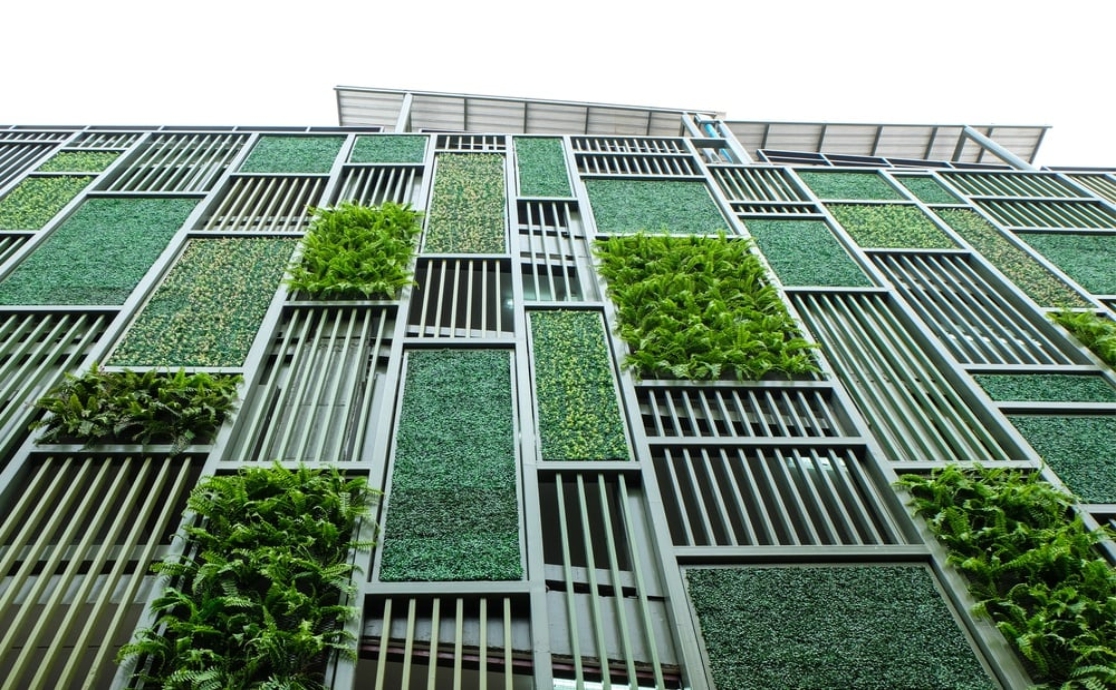
Urban areas benefit the most from this approach. Green roofs, vertical gardens, and open green spaces help combat heat and pollution while creating pleasant surroundings for residents.
Eco-Friendly Building Materials
Using sustainable materials is a cornerstone of green architecture. Bamboo, for example, grows quickly and is highly durable. Recycled steel and wood reduce the need for new resources, lowering environmental impact.
Other popular materials include reclaimed stone, low-VOC paints, and recycled concrete. These choices not only reduce waste but also improve indoor air quality. Architects are also exploring innovative materials like hempcrete and mycelium-based composites, which are renewable and biodegradable.
Energy Efficiency and Smart Design
Eco-friendly materials work best when combined with energy-efficient design. Proper insulation, double-glazed windows, and reflective roofing reduce heating and cooling demands. Passive design principles, such as strategic window placement and natural shading, further enhance energy savings.
Smart technologies complement these designs. Automated lighting, heating, and cooling systems adjust based on occupancy, helping reduce unnecessary energy use. Together, these strategies create buildings that are efficient, comfortable, and sustainable.
Water Conservation and Landscaping
Green architecture also focuses on water management. Rainwater harvesting systems, greywater recycling, and low-flow fixtures reduce water waste. Landscaping with native plants minimizes irrigation needs while supporting local ecosystems.
Green spaces inside and outside buildings improve residents’ well-being. They reduce stress, encourage social interaction, and improve air quality. This shows that eco-friendly design is not just about energy—it’s about people too.
Long-Term Benefits
Sustainable architecture provides long-term advantages. Eco-friendly materials are often more durable and require less maintenance. Energy-efficient buildings reduce utility costs over time. They also increase property value, as more buyers and tenants prefer environmentally responsible homes.
Moreover, green architecture supports community resilience. Buildings designed to withstand extreme weather or rising temperatures protect both people and resources.
Conclusion
Green architecture and eco-friendly materials are shaping the future of building design. By focusing on sustainability, architects create structures that conserve energy, reduce environmental impact, and improve quality of life. From bamboo and recycled steel to smart systems and green roofs, eco-friendly design demonstrates that responsible architecture can also be innovative and beautiful.
Modern buildings are no longer just structures—they are part of a sustainable solution for the planet.


