


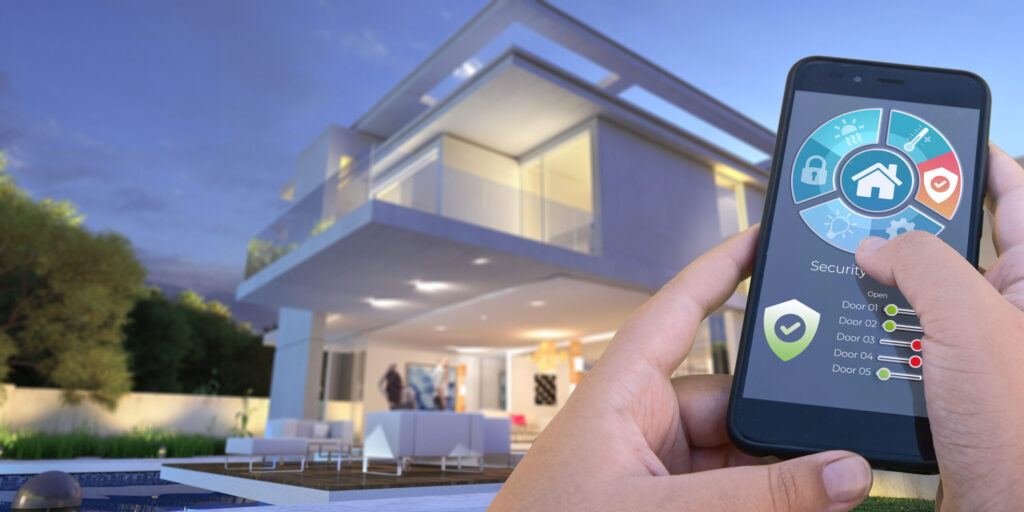
Smart homes are redefining modern living. They combine technology, design, and sustainability to create spaces that are convenient, efficient, and comfortable. Architects are integrating smart features into homes to improve quality of life while maximizing energy efficiency and functionality.
Integration of Smart Technology
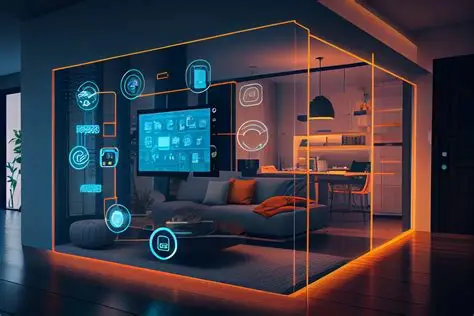
The core of any smart home is technology. Automated systems control lighting, heating, cooling, and security. Voice-activated assistants and mobile apps allow homeowners to manage their home remotely. This integration creates seamless, user-friendly environments that adapt to daily routines.
Smart home technology also includes sensors. These devices monitor energy usage, detect water leaks, and even track indoor air quality. By providing real-time data, they help reduce waste and improve sustainability.
Energy-Efficient Design
Energy efficiency is a key feature of smart homes. Architects design buildings to use natural light effectively, reducing the need for artificial lighting. Solar panels, energy-efficient windows, and advanced insulation lower electricity consumption and utility costs.
Smart energy systems adjust heating and cooling based on occupancy and weather conditions. This combination of design and technology ensures comfort while reducing environmental impact.
Flexible and Adaptive Spaces
Smart homes often feature flexible layouts. Rooms can serve multiple purposes, thanks to movable partitions, foldable furniture, and modular designs. For example, a home office can double as a guest room, or a living area can transform into a dining space.
This adaptability makes small or mid-sized homes feel more spacious. It also allows homeowners to adjust their living spaces according to changing needs or lifestyle preferences.
Enhanced Security and Safety
Safety is a major concern in modern homes. Smart homes use surveillance cameras, motion sensors, and automated locks to ensure security. Alerts sent to mobile devices allow homeowners to respond quickly to emergencies.
Fire and carbon monoxide detection systems, along with automated emergency responses, are increasingly common. These features enhance both safety and peace of mind.
Health and Comfort Features
Smart homes also focus on wellness. Air purifiers, humidity controls, and climate-regulating systems create healthier indoor environments. Smart lighting mimics natural daylight patterns, supporting better sleep and productivity.
Noise reduction and soundproofing designs enhance comfort, particularly in urban areas. These features show that smart homes are about more than convenience—they prioritize human well-being.
Sustainable and Green Design
Many smart homes incorporate eco-friendly materials and sustainable practices. Recycled wood, low-VOC paints, and energy-efficient appliances reduce environmental impact. Rainwater harvesting and greywater systems support water conservation.
Combining smart technology with sustainable design makes homes environmentally responsible without compromising modern comforts.
Conclusion
Smart homes are the future of residential architecture. By integrating advanced technology, energy-efficient design, adaptive layouts, and eco-friendly materials, architects create spaces that are functional, sustainable, and comfortable. These homes demonstrate how innovation in architecture can improve daily life, promote well-being, and support environmental responsibility.


