








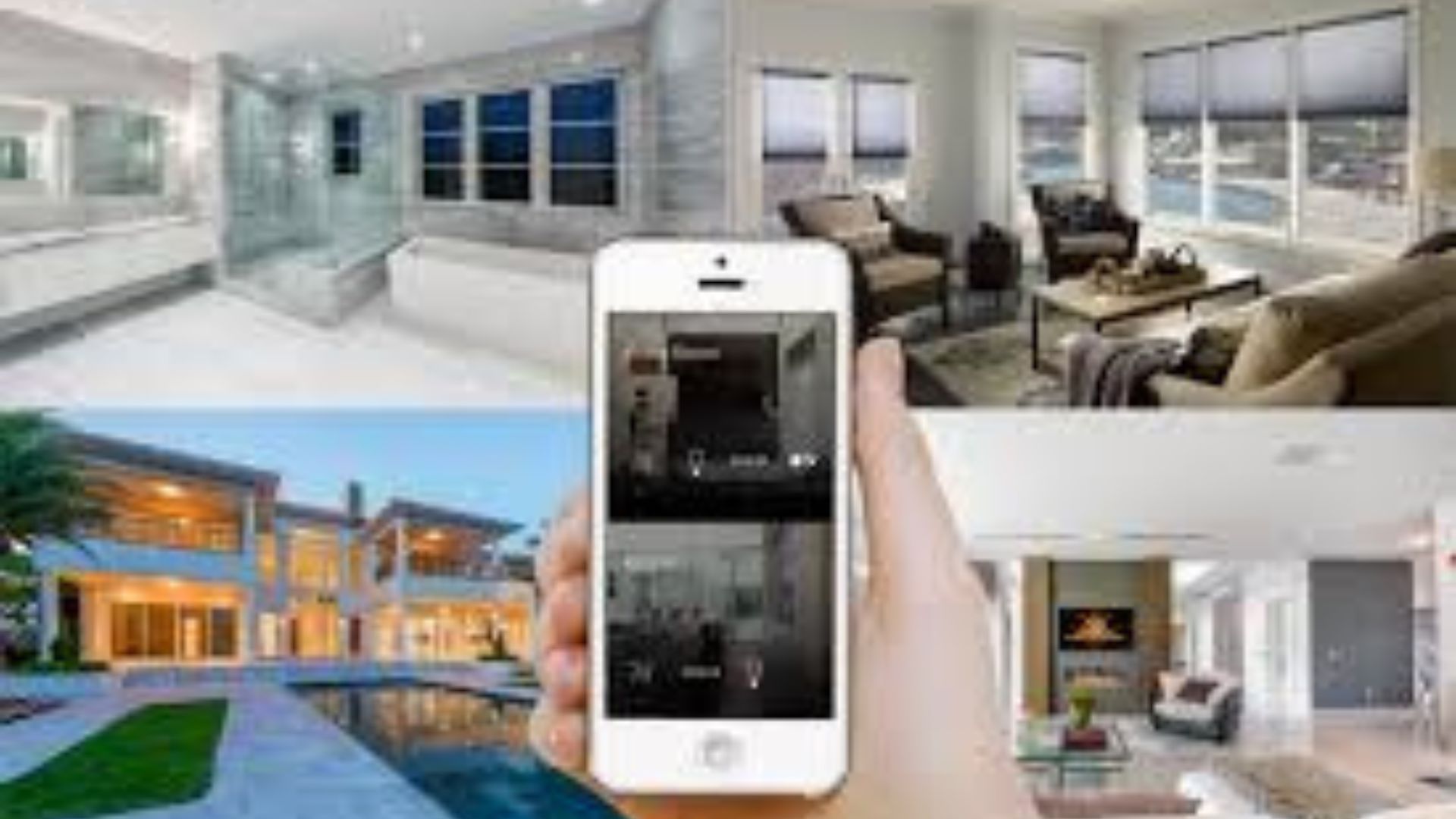
As technology becomes more integrated into everyday life, smart homes are no longer a futuristic concept—they’re today’s reality. However, a truly functional smart home doesn’t start with gadgets. It begins with smart design. A thoughtful, tech-ready layout ensures that devices work together seamlessly, efficiently, and intuitively. Whether you’re building from scratch or remodeling, incorporating smart design from the beginning is the key to creating a home that’s both intelligent and livable.
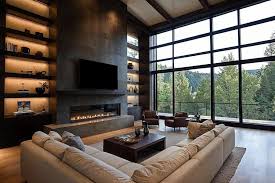
Planning for Seamless Technology Integration
Successful smart homes don’t rely on afterthoughts or patchwork solutions. Smart design plans for integration from the start, ensuring your home is equipped with the right infrastructure. Wiring, Wi-Fi coverage, and power sources are strategically placed to support smart lighting, thermostats, security systems, and appliances. Planning ahead minimizes clutter and reduces the need for costly modifications later. This approach keeps everything connected—and keeps your home looking clean and organized.
Maximizing Energy Efficiency
One of the most significant advantages of smart design is its impact on energy efficiency. Smart thermostats, lighting systems, and energy monitors can optimize how resources are used. But to work effectively, these systems require proper placement, zoning, and calibration—all part of thoughtful design. For example, window placement and insulation affect how a thermostat performs. Smart design ensures your home conserves energy while still maintaining comfort and convenience.
Enhancing Daily Convenience
Smart homes are all about making life easier, and smart design enhances this goal by anticipating how spaces will be used. Motion-sensing lights, voice-activated appliances, and automated routines depend on layout and accessibility. A kitchen designed with smart ovens and fridges becomes a more functional workspace. Bathrooms equipped with hands-free fixtures elevate hygiene and comfort. Ultimately, the design must serve your lifestyle—not just your devices.
Prioritizing Security and Privacy
As homes become more connected, smart design also plays a vital role in maintaining security and privacy. Placement of surveillance cameras, access control points, and smart locks must be carefully planned. Additionally, digital privacy should be considered during design—like securing router locations and segregating guest networks. These details help prevent unauthorized access while giving homeowners peace of mind. Smart design makes security both invisible and effective.
Flexibility for Future Upgrades
Technology evolves rapidly, so smart homes must be built with the future in mind. Smart design includes flexible wiring systems, modular components, and easily accessible panels for updates. Rather than locking into a specific brand or protocol, open frameworks allow you to adapt as new technology emerges. This foresight saves money and extends the lifespan of your smart systems. Smart design ensures your home remains cutting-edge without constant overhauls.
Blending Aesthetics with Technology
Smart homes shouldn’t look like server rooms. Smart design merges technology with style, concealing wires and hubs while maintaining a sleek appearance. Wall panels, recessed lighting, and minimalistic fixtures all contribute to a cohesive aesthetic. Custom cabinetry can hide routers and speakers, and neutral finishes help smart devices blend into your décor. A beautiful smart home starts with a design that prioritizes form as much as function.
Final Thoughts: Designing the Smart Way
In conclusion, smart homes start with smart design—not just smart devices. True intelligence in a home comes from careful planning, user-centered functionality, and seamless integration. From energy efficiency to future-proofing, the right design lays the foundation for a home that is not only high-tech but also highly livable. If you’re dreaming of a smarter way to live, start by working with designers and architects who understand the importance of smart planning from day one.


