








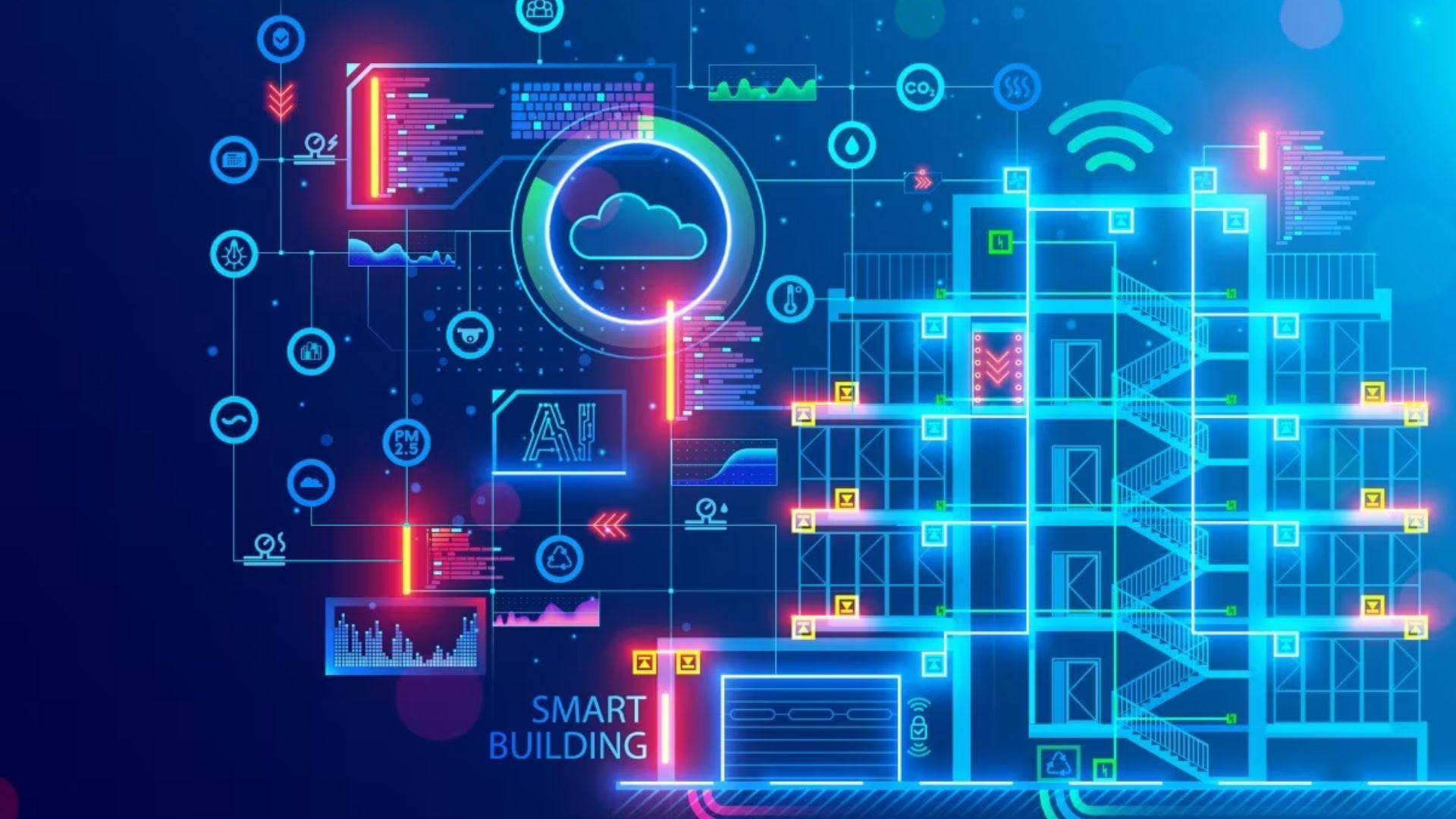
Walk into any modern commercial building or smart home, and you’re likely surrounded by a hidden network of interconnected systems. From automated lighting and HVAC controls to security cameras and energy management, smart building technology is transforming how spaces operate—making them more efficient, comfortable, and sustainable.
At the heart of this transformation lies a powerful synergy: the intersection of Information Technology (IT) and smart building systems. This integration is critical to unlocking the full potential of intelligent buildings. But how exactly do IT and smart building technology intersect? What benefits arise, and what challenges must be overcome? Let’s dive in.
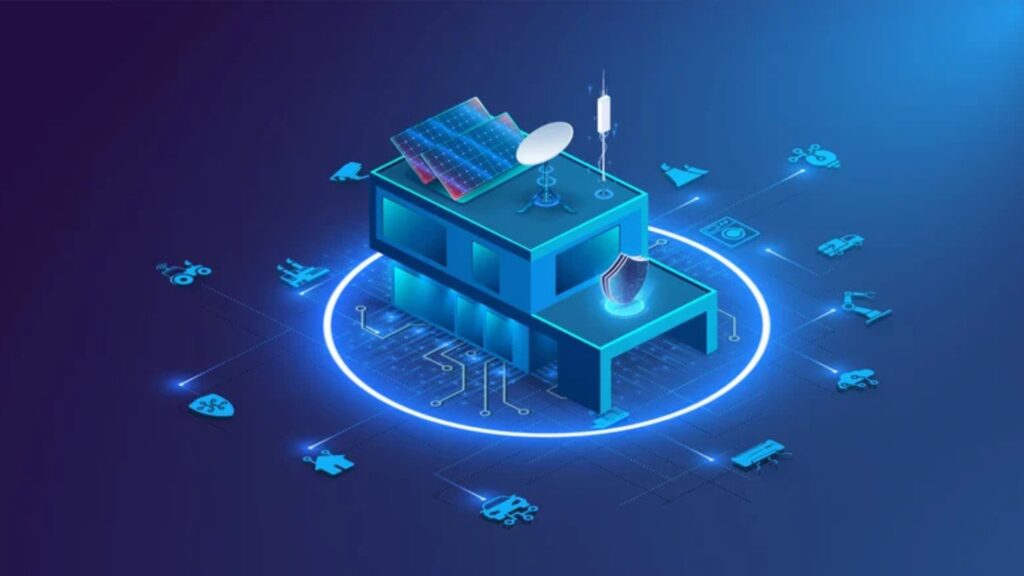
What Is Smart Building Technology?
Smart building technology refers to a network of automated systems designed to monitor, control, and optimize various building functions. These include:
-
Lighting
-
Heating, ventilation, and air conditioning (HVAC)
-
Security and access control
-
Energy management
-
Occupancy sensors and space utilization
-
Communication networks
Using sensors, controllers, and software platforms, these systems collect real-time data and make intelligent decisions—sometimes autonomously—to improve building performance and occupant comfort.
The Role of IT in Smart Buildings
IT infrastructure serves as the backbone that connects smart building components. Here’s how IT powers smart buildings:
Data Collection and Analytics
Smart devices generate massive data streams—from temperature readings to occupancy patterns. IT systems capture, store, and analyze this data to generate actionable insights.
Network Connectivity
A reliable and secure network (wired and wireless) enables devices to communicate seamlessly. IT manages network architecture, protocols, and cybersecurity.
Cloud and Edge Computing
IT solutions leverage cloud platforms for scalable data storage and remote management. Edge computing processes data locally, reducing latency for critical building functions.
Integration and Interoperability
IT enables integration of disparate building systems through open protocols and APIs, ensuring different devices “speak” the same language.
Benefits of IT-Smart Building Integration
Enhanced Energy Efficiency
Real-time data allows automated adjustments, reducing energy waste and lowering operational costs.
Improved Security
IT supports advanced cybersecurity measures and integrates video surveillance, access control, and intrusion detection systems.
Optimized Occupant Experience
Smart HVAC and lighting adjust to occupancy and preferences, improving comfort and productivity.
Predictive Maintenance
Data analytics anticipate equipment failures, enabling proactive maintenance that reduces downtime and repair costs.
Scalability and Flexibility
IT infrastructure supports expansion and integration of new smart technologies without massive overhauls.
Challenges at the Intersection
Despite the benefits, several challenges arise:
-
Cybersecurity Risks: More connected devices mean more attack vectors. Protecting sensitive data and systems is critical.
-
Complex Integration: Diverse systems and legacy equipment can complicate interoperability.
-
Data Privacy: Collecting occupant data requires compliance with privacy regulations and ethical considerations.
-
Skill Gaps: Bridging expertise between IT professionals and building management teams can be difficult.
Real-World Examples
The Edge Building, Amsterdam
Dubbed one of the smartest office buildings globally, The Edge integrates IT and smart building tech to optimize energy use and occupant comfort, using over 30,000 sensors and a robust IT backbone.
Google’s Bay View Campus, California
Features an advanced building management system connected via IT networks, enabling energy optimization and seamless occupant experience.
Conclusion
The intersection of IT and smart building technology is reshaping the built environment. This fusion empowers buildings to become responsive, sustainable, and secure—tailored to the needs of occupants while optimizing operational costs.
For businesses and building managers, understanding and leveraging this synergy is no longer optional—it’s essential for future-proofing facilities in an increasingly connected world.


