



Starting a business often comes with countless challenges, and one of the biggest hurdles is managing expenses. For many startups, technology plays a vital role in day-to-day operations. However, purchasing high-end laptops, servers, printers, and networking devices outright can put a serious strain on limited budgets. This is where IT equipment rental becomes an attractive solution.
By renting instead of buying, startups gain access to the latest technology without the burden of massive upfront costs. This approach not only helps new businesses save money but also provides the flexibility needed in their growth journey.
Why IT Equipment Rental Makes Sense for Startups
First, cost savings immediately stand out. Buying new technology is expensive, and many startups simply cannot afford the capital investment. With rentals, companies pay only for what they need, when they need it. This allows them to channel funds into other critical areas like marketing, staffing, or product development.
Second, technology evolves quickly. Devices that seem cutting-edge today may become outdated in a few years. Renting equipment ensures startups always have access to modern tools without worrying about depreciation or constant upgrades.
Third, rental services typically include maintenance and support. Instead of hiring an in-house IT team to fix technical issues, startups can rely on their rental providers for troubleshooting and repairs. This reduces downtime and helps small businesses stay productive.

Types of IT Equipment Available for Rental
Startups can choose from a wide range of equipment depending on their needs:
-
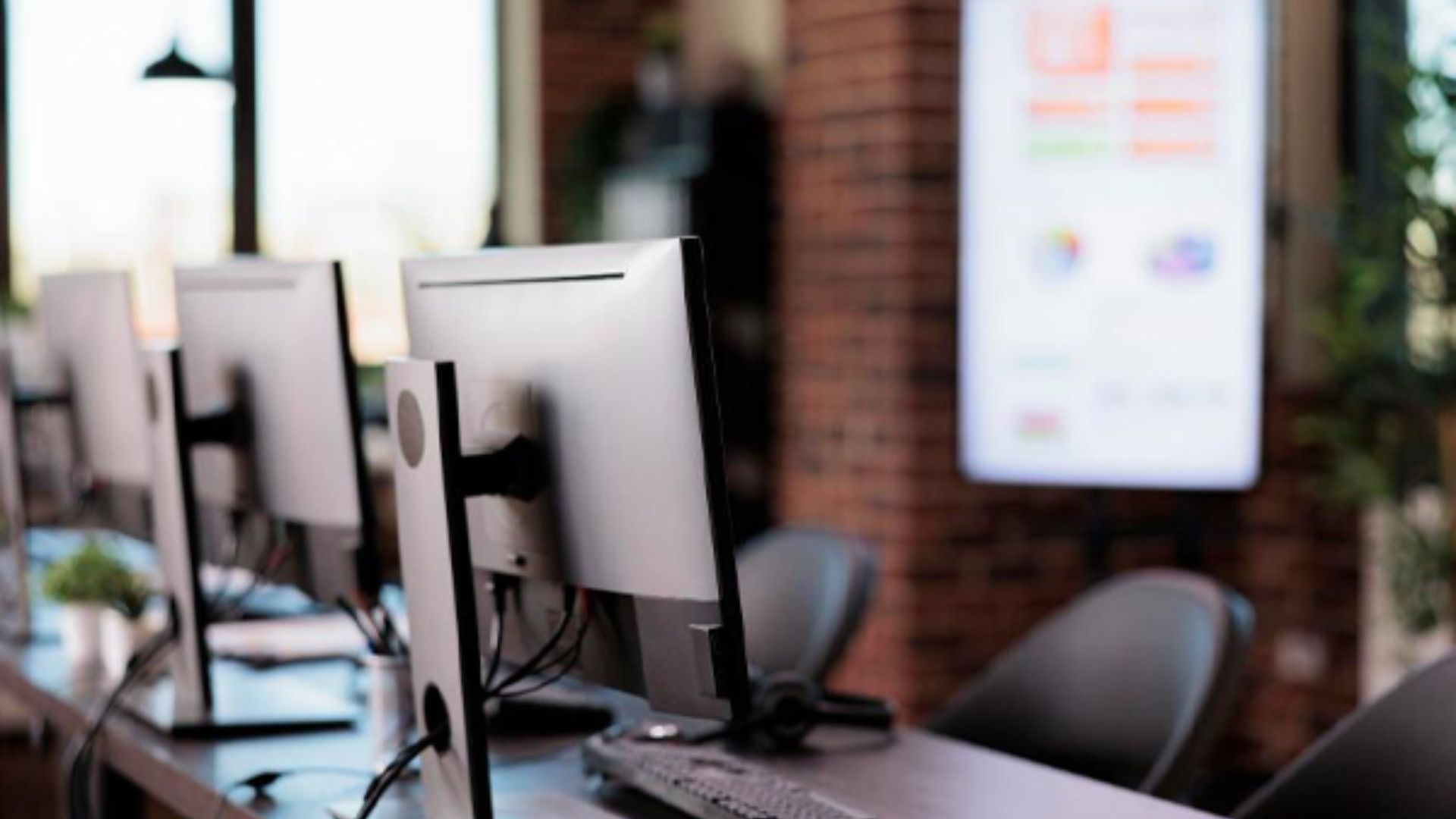
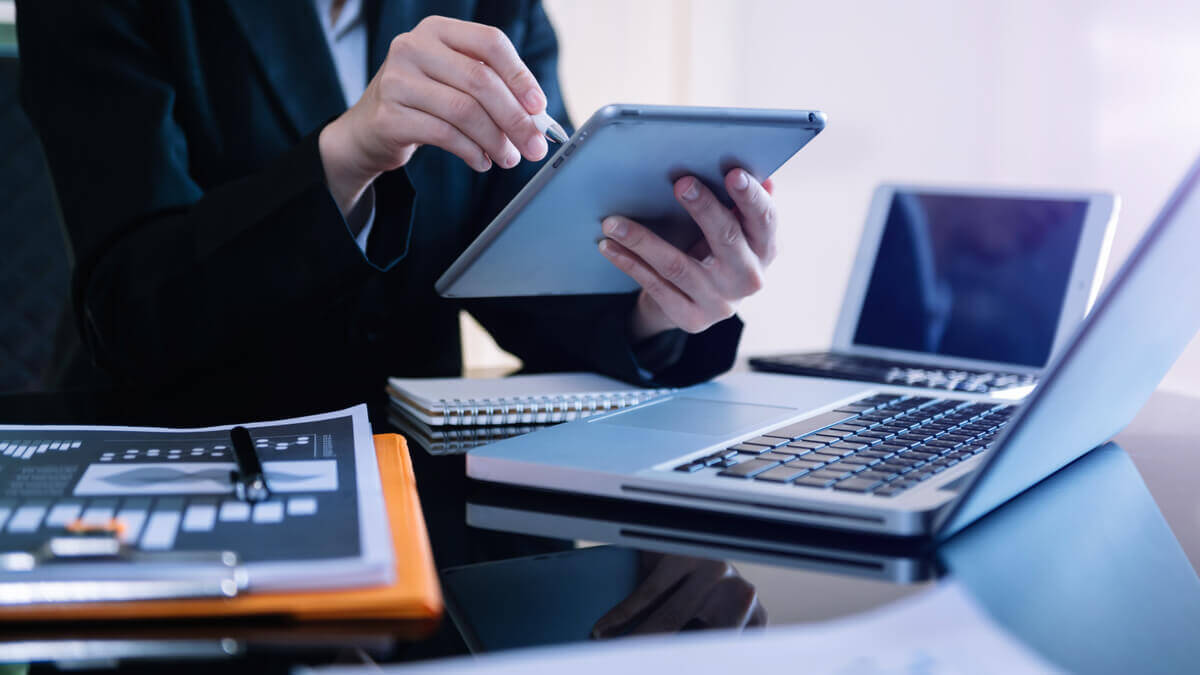
Laptops and Desktops—Perfect for office setups and remote teams.
-
Servers—Essential for hosting applications, managing data, and supporting business operations.
-
Printers and Scanners—Helpful for startups handling documents and physical records.
-
Networking Devices—Routers, switches, and firewalls to keep connections fast and secure.
-
Specialized Equipment – High-performance computers for design, animation, or software development.
By renting, startups can scale up or down based on team size and project requirements.
Flexibility and Scalability
Another key advantage of IT equipment rental lies in flexibility. Startups often operate in uncertain environments, and their needs can change rapidly. Renting allows them to adjust resources according to demand. For example, a new project may require ten extra laptops for six months. Instead of buying, startups can simply rent and return the devices when the project ends.
This scalability ensures startups remain agile and cost-efficient, something that is crucial in the early stages of business.
Renting vs. Buying: Which Is Better?
While buying equipment may seem like a long-term investment, it locks startups into costs and responsibilities they may not be ready to handle. Rentals, on the other hand, provide immediate access to the latest technology without heavy financial commitments.
Buying makes sense only when a business has a stable cash flow and expects to use the same devices for many years. However, for startups still finding their footing, rentals reduce risk and preserve valuable working capital.
How to Choose the Right Rental Provider
When selecting an IT equipment rental service, startups should consider:
-
Range of Products—Ensure the provider offers everything from basic laptops to high-end servers.
-
Support Services – Look for providers that include technical support, repairs, and upgrades.
-
Rental Terms—Check flexibility in contracts, payment plans, and return policies.
-
Reputation and Reliability – Read reviews or ask for recommendations to find trusted partners.
By choosing the right provider, startups can enjoy peace of mind while focusing on growth.
Final Thoughts
For startups aiming to scale quickly while keeping costs manageable, IT equipment rental offers a smart, affordable, and flexible solution. It eliminates the stress of upfront purchases, ensures access to up-to-date technology, and provides support when issues arise.
In today’s fast-changing business environment, agility is just as important as innovation. Renting IT equipment allows startups to remain lean, adaptable, and financially sound as they work toward success.