











The world of technology continues to evolve rapidly, with hardware innovations leading the charge in improving the performance and capabilities of modern devices. Whether it’s faster processors, groundbreaking storage solutions, or revolutionary connectivity, these advancements are changing the way we work, play, and interact with technology. In this article, we will explore the top hardware innovations of 2025, showing how they are shaping the future of computing.
1. AI-Enhanced CPUs and GPUs
Revolutionizing Computing Power with AI
AI is becoming integral to hardware development. CPUs and GPUs are now equipped with AI capabilities, enhancing their performance across various applications, from gaming to data processing.
-
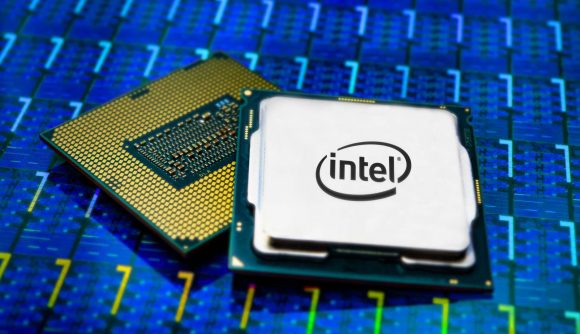
Intel’s AI-Optimized Processors: Intel’s new generation processors, like Alder Lake and Raptor Lake, are designed with AI enhancements that make them more efficient at handling tasks such as image processing, natural language understanding, and real-time data analysis.
-
NVIDIA’s AI-Enhanced GPUs: NVIDIA’s RTX 40 Series introduces DLSS 3.0 (Deep Learning Super Sampling), which uses AI to boost frame rates and improve image quality in real-time, revolutionizing the gaming experience.
These innovations highlight how AI isn’t just for software anymore—it’s embedded directly into hardware to improve speed and functionality.
2. Quantum Computing Processors
The Future of Computing Power: Quantum Leap
While still in its early stages, quantum computing holds immense potential. Quantum processors use qubits, which differ from traditional binary bits by allowing more complex, parallel computation. This makes them ideal for solving problems that are virtually impossible for classical computers.
-
IBM and Google’s Progress: Companies like IBM and Google are at the forefront of quantum computing. IBM’s Hummingbird and Eagle processors are pushing the limits of traditional computing, while Google’s quantum computer achieved quantum supremacy, solving problems faster than any conventional machine.
Though quantum computing is not yet mainstream, it has the potential to revolutionize industries like cryptography, drug discovery, and artificial intelligence by enabling exponentially faster problem-solving.
3. PCIe 5.0 and PCIe 6.0: Speeding Up Data Transfers
The Future of Data Transfer
PCIe (Peripheral Component Interconnect Express) is the standard for high-speed communication between a computer’s components. The latest advancements, PCIe 5.0 and PCIe 6.0, offer faster data transfer speeds that benefit gaming, high-performance computing, and data-driven tasks.
-
PCIe 5.0: PCIe 5.0 doubles the bandwidth of its predecessor, PCIe 4.0, reaching 32 GT/s (gigatransfers per second). This allows for ultra-fast data transfer between devices like SSDs, GPUs, and network cards.
-
PCIe 6.0: Soon to be available, PCIe 6.0 will push speeds even further, offering 64 GT/s. This will drastically improve data throughput, making it ideal for handling tasks such as 4K gaming, AI applications, and high-speed video editing.
4. PCIe 4.0 and 5.0 SSDs: The Next Generation of Storage
Ultra-Fast Storage Solutions
The move from HDDs (hard disk drives) to SSDs (solid-state drives) has already improved storage speed significantly. However, PCIe 4.0 and PCIe 5.0 SSDs are pushing storage performance to new heights.
-
PCIe 4.0 SSDs: SSDs like the Samsung 980 Pro and Western Digital Black SN850 deliver read speeds of up to 7,000 MB/s, making them perfect for tasks like gaming, video editing, and operating system boot-ups.
-
PCIe 5.0 SSDs: The next wave of storage, including drives like the Corsair MP700, promises read speeds up to 14,000 MB/s. This will significantly reduce load times for 4K video editing, high-performance gaming, and enterprise data management.
5. Next-Gen Graphics Cards (GPUs)
Powering the Future of Gaming and Productivity
Graphics cards (GPUs) have always been at the heart of gaming and content creation, but next-gen GPUs are taking performance to a whole new level. With ray tracing, AI-driven features, and support for higher resolutions, these GPUs are essential for an immersive and realistic experience.
-
NVIDIA RTX 40 Series: The RTX 4090 and RTX 4080 GPUs feature DLSS 3.0, which not only boosts frame rates but also improves the overall graphical experience. This allows gamers to experience smooth 4K gameplay with realistic lighting and shadows.
-
AMD Radeon RX 7000 Series: Powered by RDNA 3 architecture, these GPUs are priced competitively, delivering excellent performance for gamers and creators alike.
6. 6G Connectivity: The Next Level of Wireless Communication
Unleashing the Potential of 6G
As we continue to explore the capabilities of 5G, the focus is already shifting toward 6G. Expected to provide 1 Tbps (terabit per second) speeds and ultra-low latency, 6G will revolutionize wireless communication, enabling faster, smarter connections.
-
6G Capabilities: With 6G, applications such as autonomous vehicles, remote surgery, and immersive virtual reality will be possible with virtually no lag or delays.
-
AI-Driven Networks: 6G will leverage AI to optimize data routing, reducing congestion and improving network reliability.
As 6G rolls out, it will usher in a new era of connectivity, opening up endless possibilities for industries and individuals alike.
7. Flexible and Foldable Displays
A New Era in Device Design
Flexible and foldable displays are changing the way we interact with technology. These displays allow devices to become more portable, yet still offer larger screen sizes when needed.
-
Samsung Galaxy Z Fold: The Z Fold line offers a foldable OLED display, allowing users to fold their phone into a more compact form while still enjoying the benefits of a large tablet-sized screen when unfolded.
-
Flexible OLED Technology: Companies like LG and Samsung are making strides in flexible OLED technology, paving the way for rollable displays and devices that adapt to different use cases.
These innovations make devices more versatile, allowing users to enjoy larger screens in a more compact and portable form factor.
8. Neuromorphic Computing: Brain-Like Processing
Mimicking the Brain for Smarter AI
Neuromorphic computing aims to replicate the architecture of the human brain, improving the efficiency and speed of AI-based tasks. These brain-inspired chips can process data more efficiently, especially in real-time applications like autonomous systems and robotics.
-
Intel’s Loihi Chip: The Loihi neuromorphic chip mimics biological neural networks, providing faster and more energy-efficient AI computations.
-
Spiking Neural Networks (SNNs): SNNs, inspired by how neurons fire in the human brain, offer faster and more efficient solutions for AI, enhancing applications like machine learning and robotics.
This neuromorphic technology is a game-changer for AI, making it faster, more energy-efficient, and capable of performing more complex tasks.
Conclusion
The hardware innovations of 2025 are pushing the boundaries of computing, transforming industries from gaming to healthcare. From AI-enhanced CPUs and GPUs to quantum computing and 6G connectivity, these advancements promise to make devices faster, smarter, and more efficient. Whether you’re a gamer, content creator, or tech enthusiast, staying updated on these innovations will help you leverage the power of the next generation of hardware.


