










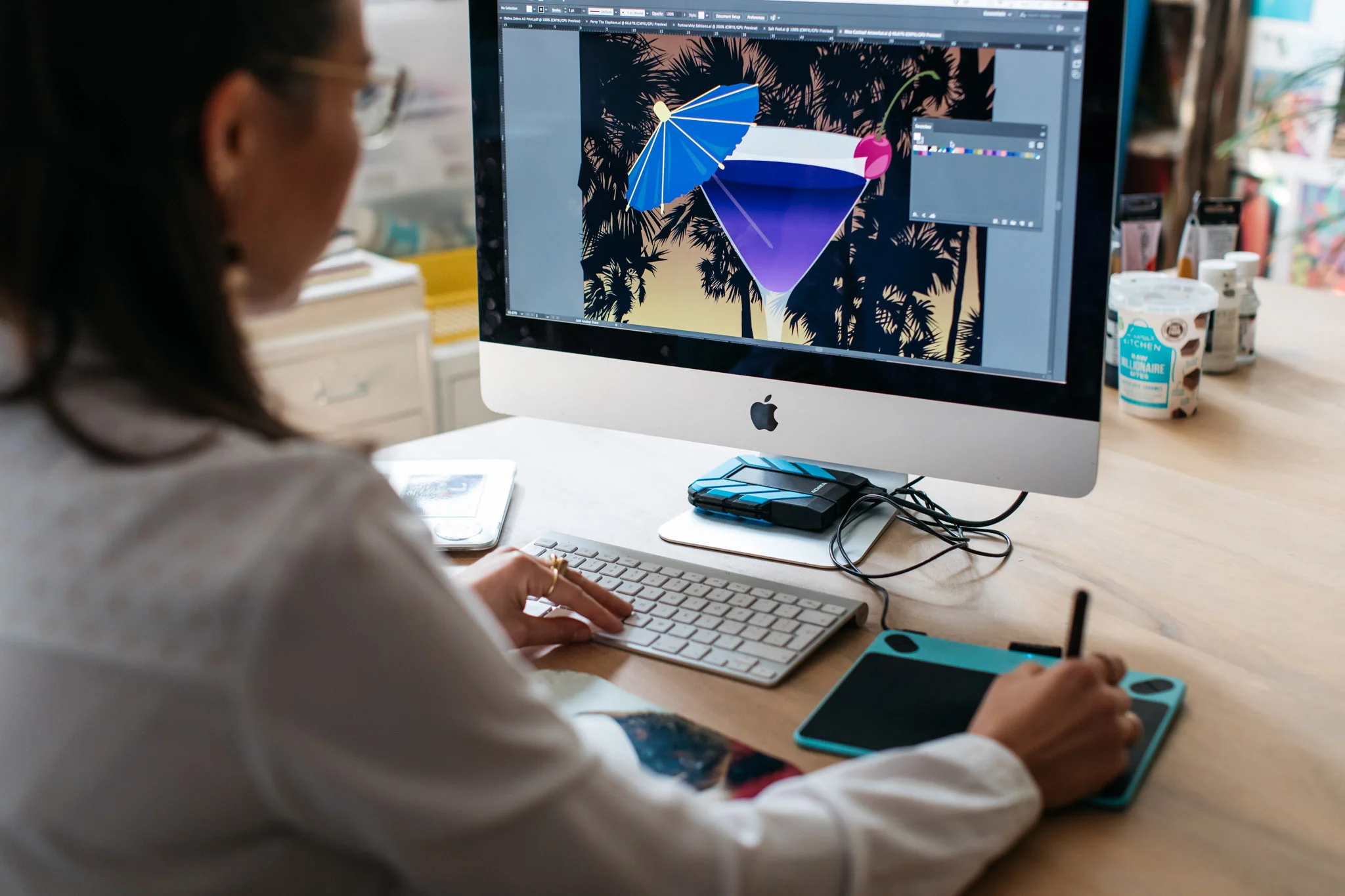
Design has become a driving force in nearly every industry. Whether you work in marketing, product development, or entertainment, strong visuals shape how people perceive your brand. Professionals need tools that not only support creativity but also improve efficiency. That is where creative design software comes in. These powerful platforms combine flexibility, precision, and innovation, enabling designers to bring bold ideas to life.
Why Professionals Need Specialized Tools
Creative projects often demand more than basic editing apps. High-resolution graphics, complex layouts, and cross-platform compatibility require advanced features. Professionals must work quickly while maintaining quality. Without the right software, meeting deadlines becomes stressful, and results may fall short. By investing in professional-grade tools, designers gain access to features that streamline processes and unlock creative potential.
Graphic Design Essentials
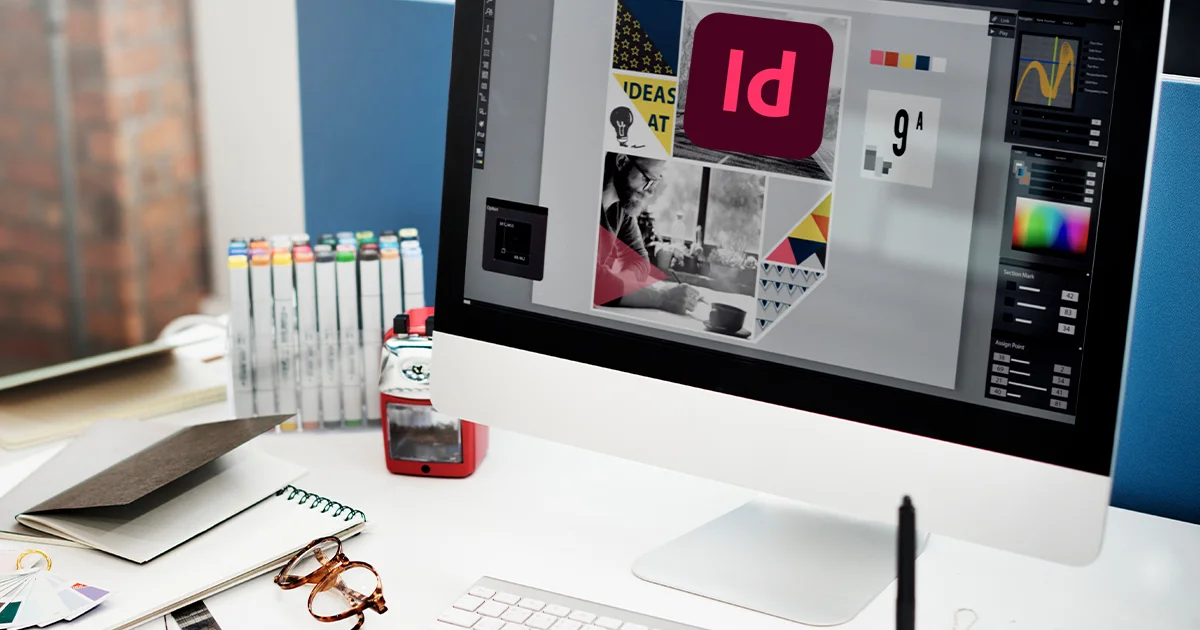
For professionals in branding, advertising, and digital media, graphic design software remains the backbone of creativity. Tools like Adobe Illustrator and CorelDRAW provide vector-based editing, ensuring scalability without quality loss. Designers use these platforms to craft logos, infographics, and marketing assets that look sharp on any medium. With features like advanced typography controls and custom brushes, these programs empower professionals to stand out in competitive industries.
Photo Editing for Visual Impact
In today’s digital landscape, visuals carry immense influence. Photo editing software such as Adobe Photoshop and Affinity Photo allows designers to refine images with precision. Professionals can adjust lighting, remove imperfections, and apply creative effects in minutes. More importantly, these tools support batch editing, which saves time when working with large volumes of images. For photographers and marketing teams alike, photo editing software ensures that every image meets professional standards.
Motion Graphics and Video Editing
Visual storytelling has expanded beyond still images. Motion graphics and video editing tools are essential for professionals in advertising, entertainment, and online content creation. Software like Adobe After Effects and Final Cut Pro enables designers to craft cinematic experiences. Animations, transitions, and visual effects transform simple footage into engaging content. With businesses relying heavily on video marketing, professionals who master these tools gain a clear advantage.
3D Modeling and Visualization
Industries such as architecture, gaming, and product design rely on 3D modeling software to bring ideas into reality. Programs like Autodesk Maya, Blender, and Cinema 4D allow professionals to build detailed models, simulate environments, and render realistic visuals. These tools enhance collaboration by letting teams preview designs before production begins. With virtual reality and augmented reality gaining traction, 3D design skills are becoming increasingly valuable.
User Experience and Interface Design
As digital products grow in complexity, user experience (UX) and interface (UI) design software play a critical role. Platforms such as Figma, Sketch, and Adobe XD streamline the process of designing apps and websites. They allow real-time collaboration, prototyping, and user testing in one place. For professionals in tech and product development, these tools save time while ensuring that designs meet user expectations.
Cloud-Based Collaboration
Modern design software goes beyond individual creativity by enabling collaboration. Cloud-based platforms let teams work on the same project simultaneously, regardless of location. Changes update in real time, reducing delays caused by endless file exchanges. This collaborative approach saves time, minimizes errors, and keeps projects moving forward. As more professionals embrace remote and hybrid work, cloud integration has become a must-have feature.
AI-Powered Design Features
Artificial intelligence is revolutionizing creative software. Many tools now include AI-driven suggestions, automated adjustments, and smart templates. For example, AI can remove backgrounds instantly, suggest design layouts, or enhance image quality with minimal effort. These features reduce repetitive tasks, giving professionals more time to focus on innovation. As AI continues to evolve, its role in creative design will only grow stronger.
Cost vs. Value
While professional-grade software often requires a financial investment, the value outweighs the cost. Free tools can handle basic projects, but advanced features are essential for high-quality results. Subscriptions to platforms like Adobe Creative Cloud or Autodesk ensure access to the latest updates and integrations. For professionals, this investment pays off through improved efficiency, client satisfaction, and higher-quality outcomes.
Choosing the Right Software
With so many options available, selecting the right software depends on your goals. Graphic designers may prioritize vector tools, while marketers focus on photo editing and video platforms. Architects and product designers benefit most from 3D modeling software. By evaluating project needs and budget, professionals can choose tools that align with their creative vision.
Conclusion
Creative design software has transformed how professionals work, collaborate, and innovate. From graphic design to 3D modeling, these tools offer powerful features that save time while elevating results. With AI enhancements, cloud collaboration, and scalable solutions, today’s design platforms adapt to the evolving needs of industries worldwide. For professionals, the right software is not just a tool—it is a catalyst for creativity and growth.


